Views: 383
2025年11月3日第2回日本語を母語としない親子のための都立高校進学ガイダンス 実施報告
November 3, 2025 Second Guidance Session for Parents and Children Whose Native Language is Not Japanese Regarding Admission to Metropolitan High Schools Implementation Report
ファイルのダウンロード

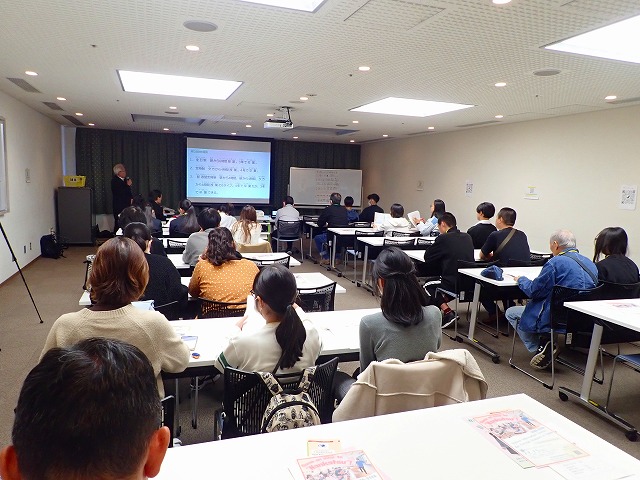
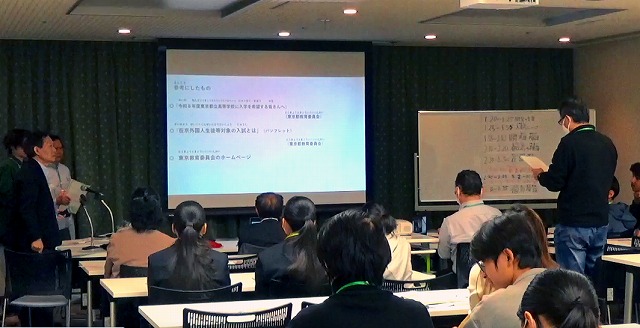
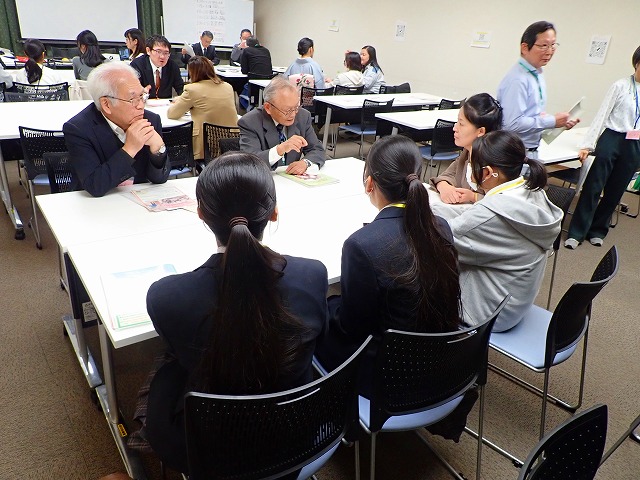
11月3日の第2回進学ガイダンスは、大きな会場が確保できなかったため、会場の席に合わせ、申し込みを絞ったため、1回目に比べると、人数的には、やや少なくなりました、その分、質問や個別相談等、余裕をもって、充実したガイダンスが実施できました。
The second entrance guidance session on November 3rd saw a slightly smaller turnout compared to the first session, as we had to limit registrations to fit the seating capacity of the venue due to the inability to secure a larger space. Consequently, we were able to conduct a more thorough guidance session with ample time for questions and individual consultations.
会場での質問や、個別相談では、基本的な質問も多く、日本語を母国語としない、子どもたちは、日本においては情報弱者であることがよく理解できます。私達にしても、海外で生活することになれば、大切な情報を得ることができずに、生活に困ることは普通に予想できます。それにもまして、日本で、高校の入試を受けることは、複雑な入試のシステムを理解しなければならず、大変なことなのです。
At the venue’s Q&A sessions and individual consultations, many basic questions arise, clearly demonstrating that children whose native language is not Japanese are information-disadvantaged in Japan. Even for us, if we were to live overseas, it’s only natural to expect difficulties in daily life without access to vital information. Moreover, taking high school entrance exams in Japan is particularly challenging, as it requires understanding the complex entrance exam system.
もともと、日本語を母語としない子どもたちは、日本で働く親の都合で日本に在留しており、子どもたちが望んで在留しているわけではありません。私たちは、東京が世界をリードするグローバル都市として発展を続けていくために、日本人と外国人が共に活躍し、共に支え合う社会(東京における多文化共生社会)の実現に向けた取組の一つとして、東京都在住外国人支援事業の助成を受け、子どもたちの支援を実施しています。
Originally, children whose native language is not Japanese reside in Japan due to their parents’ work circumstances, not because they themselves wish to live here. We believe that for Tokyo to continue developing as a globally leading city, it is essential to build a society where Japanese and foreign residents can thrive together and support one another. As one initiative toward realizing this multicultural society in Tokyo, we provide support for children through the Tokyo Metropolitan Government’s Grant Program for Support Projects for Foreign Residents.
令和7年度 東京都在住外国人支援事業助成」対象事業
/ Supported by The Tokyo Metropolitan Government in fiscal year 2025
プログラム
①外国人のための都立高入試概要
②入試全般に対する質問コーナー(英語、中国語による通訳)
➂都立校の種類(昼夜間定時制他)
④在留許可について、日本で働くために
⑤南葛飾高校の説明
⑥先輩の話し
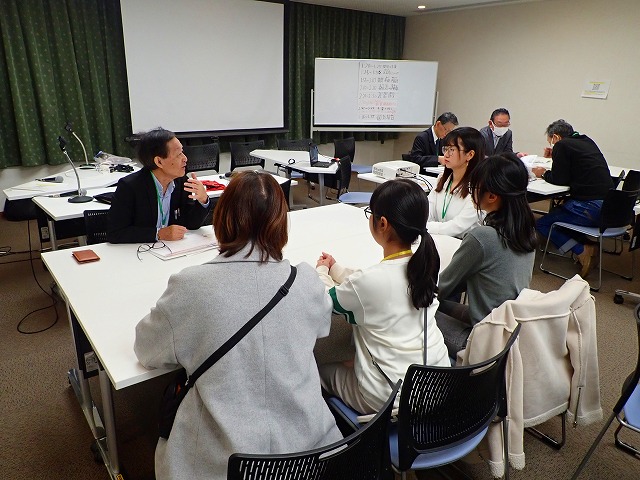
⑦個別相談
① Overview of Tokyo Metropolitan High School Entrance Exams for Foreign Nationals
② Q&A Corner for General Entrance Exam Inquiries (Interpretation available in English and Chinese)
③ Types of Metropolitan Schools (Daytime, Evening, Part-time Programs, etc.)
④Regarding Residence Permits: For Working in Japan
⑤Explanation of Minami-Katsushika High School
⑥Talks by Seniors
⑦Individual Consultations
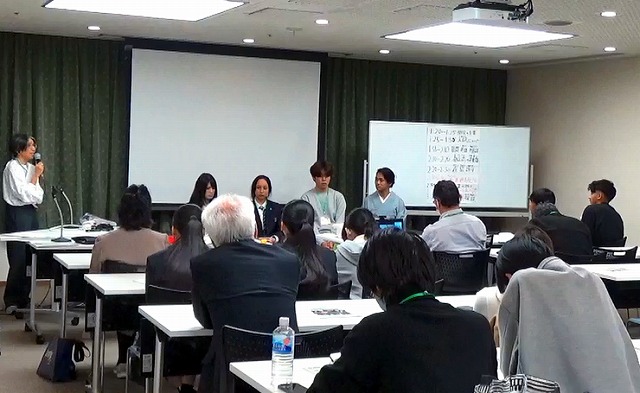
ことしの受検で都立高校に入った先輩インタビュー
Interviews with Seniors Who Entered Metropolitan High Schools Through This Year’s Entrance Exams
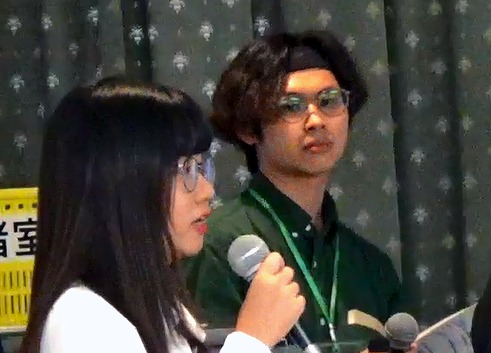
先輩の言葉では、南葛飾高校の1年生2人と一橋高校の1年生2人が、今年の入試の経験を話してくれました。後で詳しく紹介しますが、まだ、入学して半年しかたっていないのに、4人とも、しっかりとした、日本語でインタビューに答えてくれました。しかも、内容も意見も素晴らしい答えで、短い期間で、これだけの内容を日本語で話せるようになった、南葛飾高校と一橋高校の教育力の高さと、本人たちの能力の高さが際立ったものでした。
According to our seniors, two first-year students from Minami-Katsushika High School and two first-year students from Hitotsubashi High School shared their experiences with this year’s entrance exams. I’ll introduce them in detail later, but even though they’ve only been enrolled for half a year, all four answered the interview in solid Japanese. Moreover, their content and opinions were excellent answers. It was remarkable how, in such a short time, they had become able to speak this much in Japanese, highlighting the high educational standards of Minami-Katsushika High School and Hitotsubashi High School, as well as the students’ own high abilities.
南葛飾高校の先生も協力
With cooperation from teachers at Minami-Katsushika High School
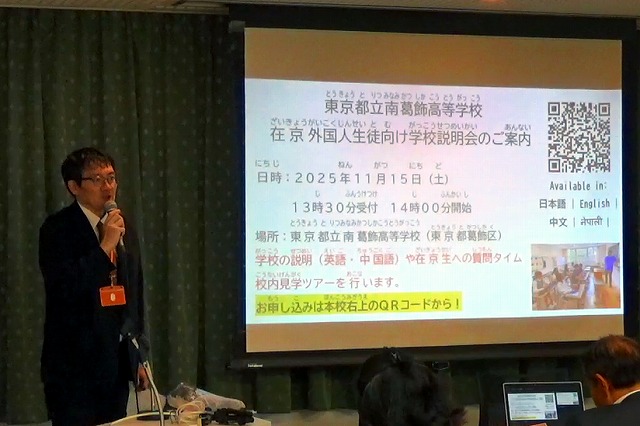
南葛飾高校の鈴木先生が、生徒の引率とともに、面接において対応していただきました。
鈴木先生からの話しでは「昨年度の倍率は割と高い倍率が出ました。そこで、本校の合格した生徒と話していると、受検に向けて何を大事にしてきたか。 という話ですが、作文と面接の受け答えですと言っていました。これは、日本語と英語どちらかを選ぶことができます。 それは皆さんの自由です。得点に差はありません。どちらかというと、少しでもいいですので、日本語を学んできて、日本語の勉強を少しでも、これから頑張っていこうという気持ちがあるといいと。生徒のみんなは言っていました。そのためには、日本のことも好きになり、日本語を勉強していただき、そして、たくさん文を書いたり、たくさん話したりして、失敗してもいいので。ぜひチャレンジをしてほしいと思います。そういったことが受験勉強にもなると思いますので、ぜひ頑張ってください。よろしくお願いします。」
Mr. Suzuki from Minami-Katsushika High School accompanied the students and assisted with the interviews.
According to Mr. Suzuki, “Last year’s competition rate was relatively high. When talking with students who passed our school’s exam, they mentioned what they prioritized in preparing for the exams. They said it was the essay and the interview responses. You can choose either Japanese or English for this. That’s up to you. There is no difference in scoring. If anything, it would be good to have even a little Japanese background and a willingness to study Japanese going forward. That’s what the students said. To achieve this, I hope you will develop an interest in Japan, study Japanese, write many sentences, speak a lot, and challenge yourselves even if you make mistakes. I believe these efforts will also serve as valuable exam preparation. Please do your best. Thank you.”
活動支援の広がり
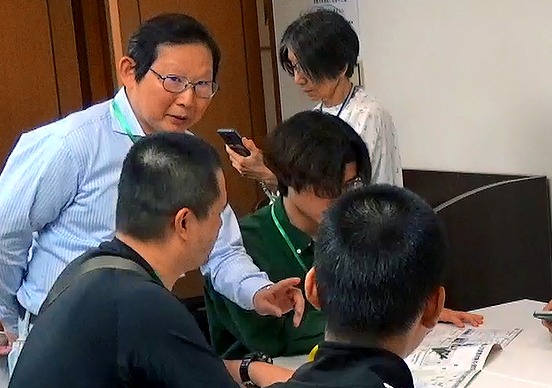
この活動も、拡がりを見せてきました。多様な方がたが、進んで支援してくれるようになってきました。支援の仲間が次々と増えています。
ガイダンスを手伝ってくれた方々のことも紹介します。
Expanding Support for Our Activities
This initiative has also begun to expand. A diverse range of people have started offering their support willingly. Our circle of supporters continues to grow steadily.
We’d also like to introduce those who helped with the guidance sessions.
高(Takashi)親子
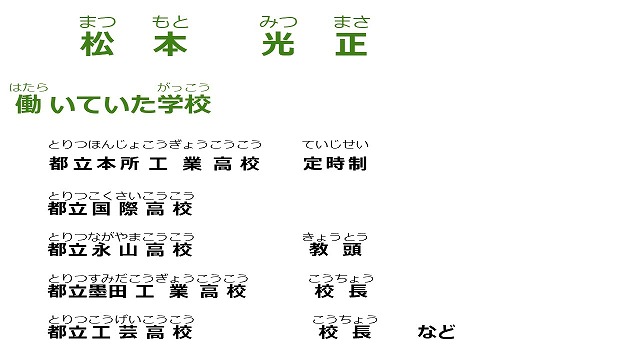
中国語の通訳を引き受けてくれた方は、ベトナムのボートピープルだった、高(Takashi)親子です。1989年サイゴン陥落後のホーチミンから、たった17mの漁船に170人の人を乗せて脱出しましたが、南シナ海を航行中、救助してくれようとした、日本の巨大タンカーと接触し、沈没し、海に投げ出されたのです。運よく助かったのはたった35人でした。それから日本に上陸し、高氏は、日本の夜間中学に通い、私が勤務する都立八潮高校定時制に入学してきました。そして皆さんと同じに、日本語を勉強しながら、一日も休まずに卒業し、見事に横浜国立大学工学部に合格しました。今は、日本のハイテク企業で働いています。現在は日本に帰化しています。
高氏の、ご子息は、日本語、中国語、広東語、英語が話せ、國立台灣大學財經法學部を卒業したあとに、いま、日本で、弁護士になろうと勉強を頑張っています。バイリンガルで、日本在住の外国の方を助けられるような弁護士を目指しています。この出入国管理に関わる分野では法的な解釈は重要で、とても頼りになる存在です。
Takashi and his son
The Chinese interpreters who assisted us were Takashi and his son, Vietnamese boat people. After the fall of Saigon in 1989, they escaped from Ho Chi Minh City aboard a mere 17-meter fishing boat packed with 170 people. While navigating the South China Sea, they collided with a Japanese supertanker that had attempted to rescue them, causing their boat to sink and leaving them adrift at sea. Only 35 people were fortunate enough to survive. After landing in Japan, Mr. Takashi attended a Japanese night school and enrolled in the evening program at Tokyo Metropolitan Yashio High School, where I worked. Like everyone else, he studied Japanese diligently, never missing a day, graduated, and successfully gained admission to the Faculty of Engineering at Yokohama National University. He now works for a Japanese high-tech company and has naturalized as a Japanese citizen.
Mr. Takashi’s son speaks Japanese, Chinese, Cantonese, and English. After graduating from the National Taiwan University’s Faculty of Finance and Law, he is now studying hard in Japan to become a lawyer. He aims to be a bilingual lawyer who can assist foreign residents in Japan. In this field involving immigration control, legal interpretation is crucial, and he is a very reliable presence.
ベトナム人留学生のDang(ダン)さん
もう一人は、ベトナム人のDang(ダン)さんです。Dangさんは英語、ベトナム語、日本語を話すことができるマルチリンガルで、筑波大学大学院で、国際教育を学んでいる大学院生です。日本の国際教育を研究していて、会場でも,Danさんの流暢な英語を聞いて理解できるように、専門は、国際バカロレア研究です。都立高校においても、国際バカロレアコースが、都立国際高校に設置されています。
このように、外国人の進学問題を、支援してくれる外国人の方が手伝ってくれるのは、この事業が、多文化共生事業として、意義が認知されて、国際的にも支援の輪が広がってきたことを意味します。
このほかも、今回学生ボランティアとして先輩の言葉のインタビューに答えてくれた学生も、手伝ってくれることを約束してくれました。
Dang, a Vietnamese international student
The other is Dang, a Vietnamese student. Dang is multilingual, speaking English, Vietnamese, and Japanese, and is a graduate student studying international education at the University of Tsukuba. Her research focuses on international education in Japan, and her specialty is International Baccalaureate studies. At the venue, attendees could understand his fluent English. Even within Tokyo Metropolitan high schools, an International Baccalaureate course is offered at Tokyo Metropolitan International High School.
The fact that foreigners are assisting with the educational advancement issues of other foreigners signifies that this initiative is recognized as a multicultural coexistence project and that the circle of support is expanding internationally.
Additionally, other students who participated as student volunteers this time, answering interviews about their seniors’ experiences, also promised to help.
2026年度の入試について
在京特別枠入試で失敗してもあきらめない
Don’t give up even if you fail the Tokyo Special Admission Track
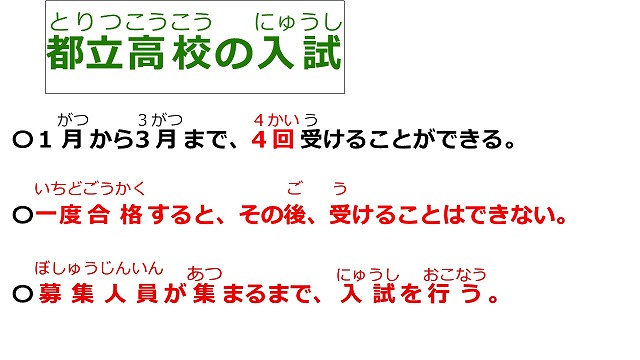
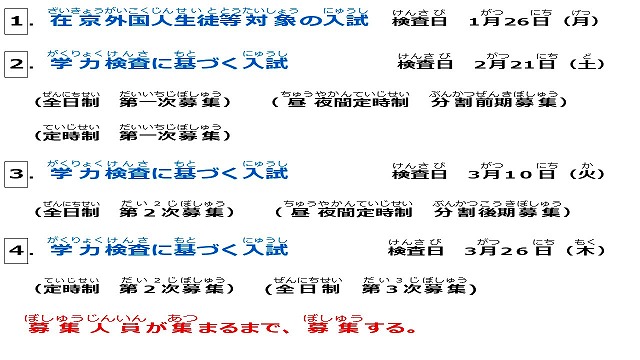
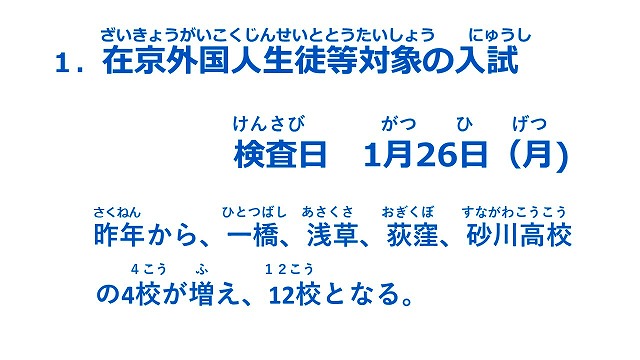
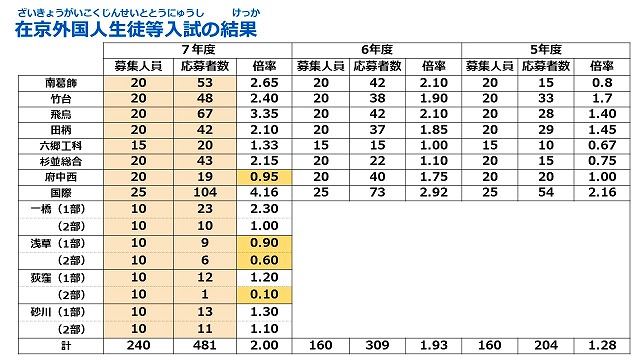
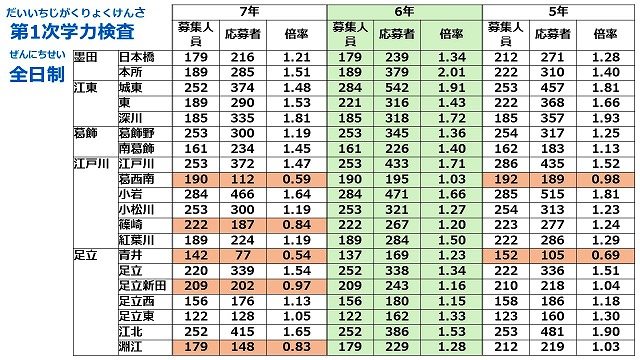
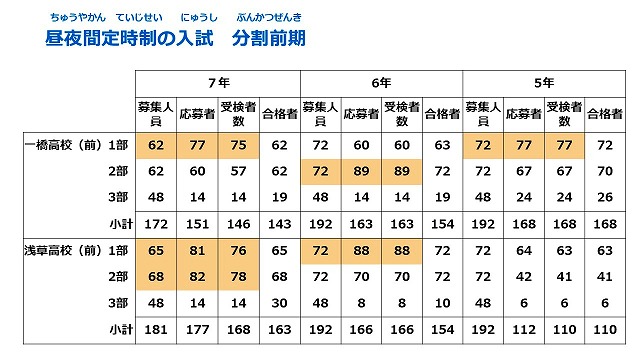
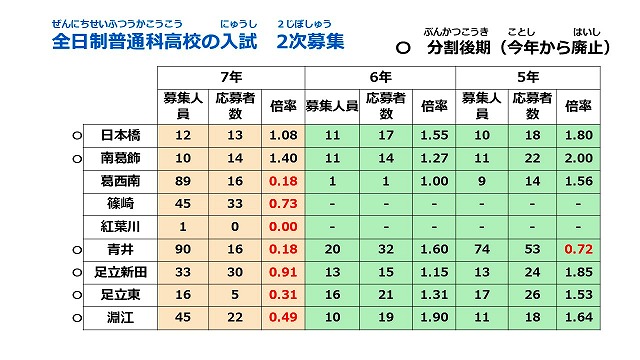
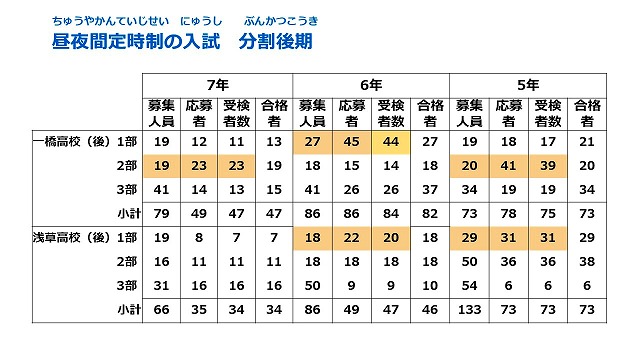
都立高校の入試では、日本語を母語としない子どもたちは、1月の在京外国人特別枠の入試を受けて不合格になっても、続く日本人と一緒に受ける一般入試が、3回あるので、失敗しても、あきらめずに、データを見て、学校を選択して受検すれば、合格の可能性は上がります。昨年は在京外国人特別枠では245人が不合格となったと報道がありました。今年は、さらに在留外国人が増えているわけですから、不合格はもっと多くなると予想しています。しかし、データを見ると、学校を選ばなければ、分割後期・第二次入試の段階で、1倍以下の学校があります。安心してください。
For Tokyo Metropolitan high school entrance exams, children whose native language is not Japanese have three subsequent general admission exams to take alongside Japanese students, even if they fail the January Special Admission Track for Foreign Residents in Tokyo. So, even if you fail, don’t give up. By looking at the data and selecting schools to apply to, your chances of passing increase. Last year, reports indicated 245 students failed the Special Admission for Foreign Residents in Tokyo. With the number of foreign residents increasing this year, we expect even more failures. However, the data shows that if you are selective about which schools you apply to, there are schools with acceptance rates below 1:1 during the split late-stage and second-stage admissions. Rest assured.
合格のために、作文と面接がカギ
To pass, the essay and interview are key
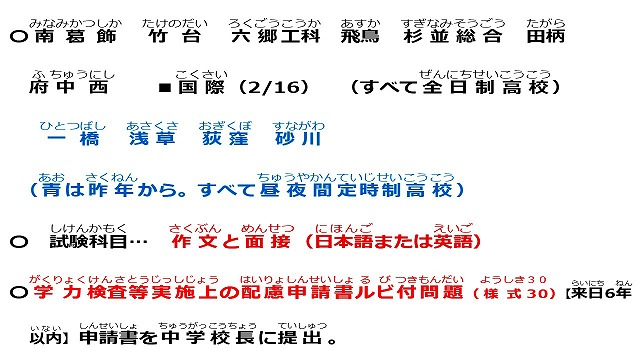
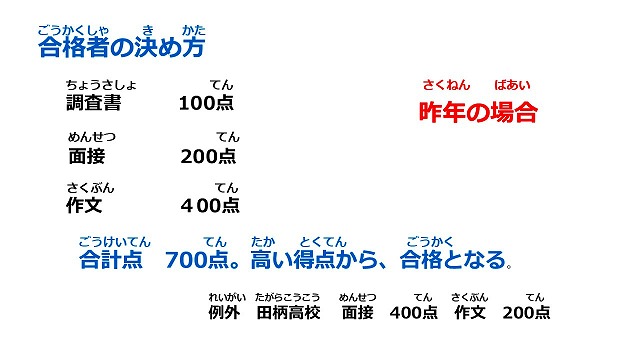
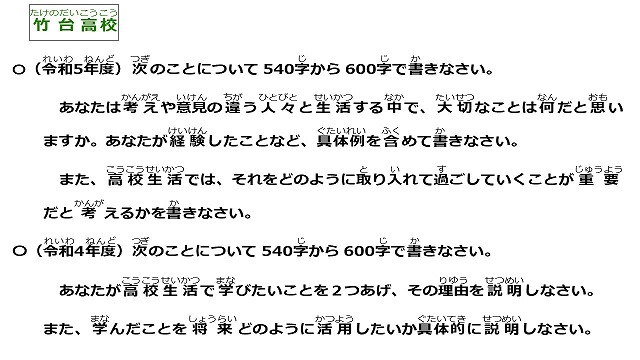
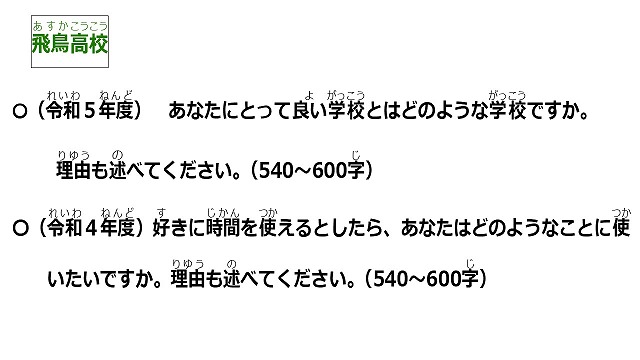
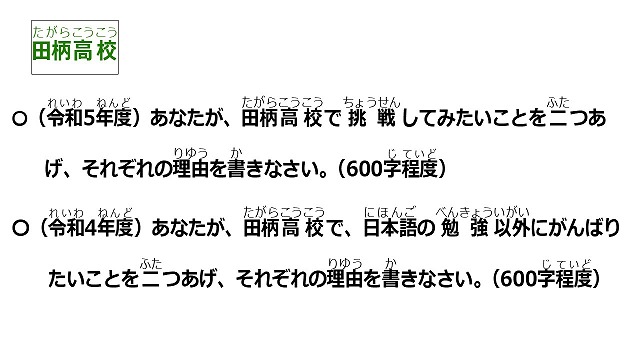
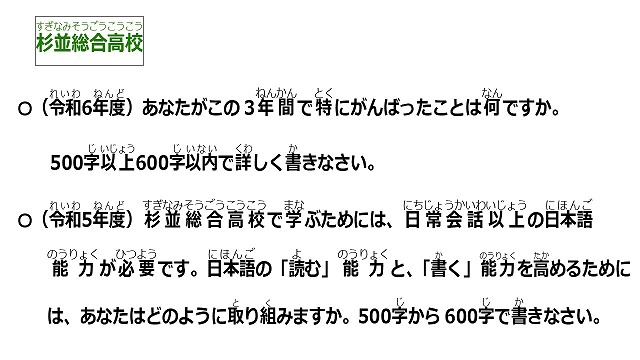
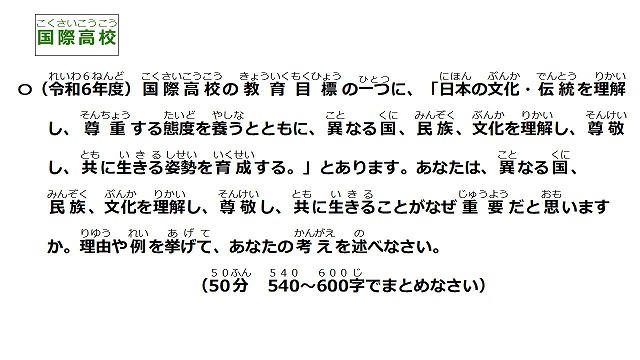
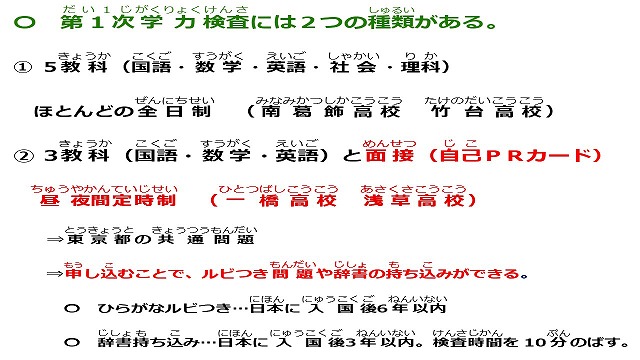
ガイダンスでも、注目したのは、在京特別枠での「作文と面接」です。英語か、日本語を選ぶことができます。合格するためには、調査書100点に対して、面接200点(2倍)で作文400点(4倍)です。この比率で考えれば、調査書は中学校で決められてしまうので、作文と面接に力を入れた準備をすることが重要だと気づくはずです。
During the guidance session, the focus was on the “essay and interview” for the Tokyo Special Admission Track. You can choose either English or Japanese. To pass, the scoring is: school records count for 100 points, the interview for 200 points (double weight), and the essay for 400 points (quadruple weight). Considering this ratio, since school records are determined during junior high, you should realize that focusing your preparation efforts on the essay and interview is crucial.
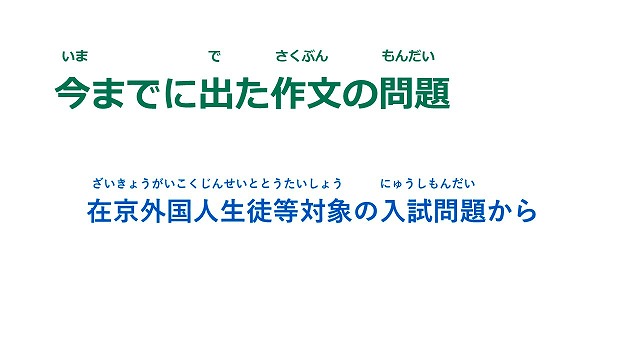
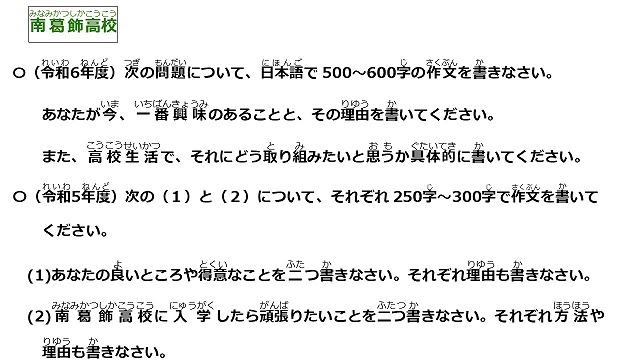
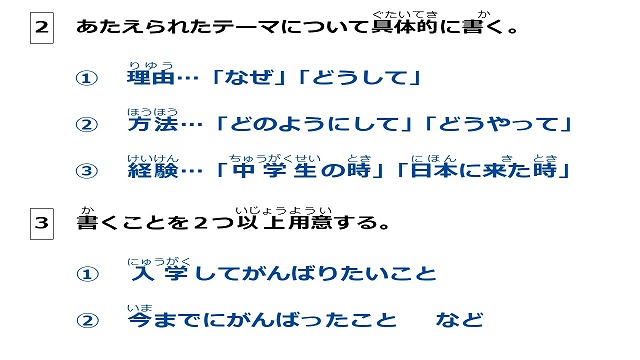
調査書が悪くても、十分リカバーできるのです。みなさんには、作文の練習を何度もやってください。一つのテーマでなく200字から300字で2テーマをかけるようにしてくださいと伝えました。先輩の話しを聞いても、作文練習は、担任の先生に何度も提出して添削してもらったと言っていました。地域の日本語クラブなどでも見てもらった子もいます。作文過去問を見て何度も書いて練習しておくこと。
Even if your school records aren’t great, you can still make up for it. I told everyone to practice writing essays repeatedly. I emphasized not just one theme, but to be able to write two themes in 200 to 300 characters each. Even when listening to seniors mentioned. Some of them also had their essays reviewed at local Japanese language clubs. Practice writing by looking at past essay questions and writing them repeatedly.
面接も需要です。面接練習は、頼んで学校の先生にやってもらってください。何度もやることです。面接では、身だしなみ、言葉遣い、態度、受け答えの4つは注意です。日本では外見はとてもうるさいです。席に座るまでの動作に関してはしっかりyoutubeで見ておいてください。
こたえ方は、まず、結論をはっきり言って、簡潔に理由を述べるという答え方が重要です。youtubeも参考にしてください。
面接で聞かれる内容は、先輩のインタビューにも書いてありますが、面接の先生は3人か2人。「自分の国と日本の違い」、「中学校の時に一番頑張ったこと。「高校に入って何を頑張りたいですか」、「一番得意な教科と苦手な教科」「志望理由」「中学校で一番頑張ったことや。 一番思いに残ったことと」「 長所と短所」です。 質問に対して回答が難しかったのは「日本では一番印象が残っているところはどこですか?」 だそうです。少なくともこれらの質問には答えられるように練習してください。
Interviews are a necessity too. For interview practice, ask your school teacher to help you. Do it multiple times. In interviews, pay attention to four things: appearance, language, attitude, and responses. In Japan, appearance is taken very seriously. Make sure to thoroughly watch YouTube videos about the movements involved in sitting down.
Regarding how to answer, it’s important to first state your conclusion clearly and then briefly explain your reasoning. Refer to YouTube for guidance.
The questions asked in interviews, as mentioned in senior interviews, are typically posed by 2 or 3 interviewers. They include: “Differences between your country and Japan,” “What you worked hardest on in junior high,” “What you want to strive for in high school,” “Your strongest and weakest subjects,” “Reasons for applying,” “What you worked hardest on in junior high and what left the strongest impression,” and “Your strengths and weaknesses.” The most challenging question to answer was reportedly “What place in Japan left the strongest impression on you?” Practice answering at least these questions thoroughly.
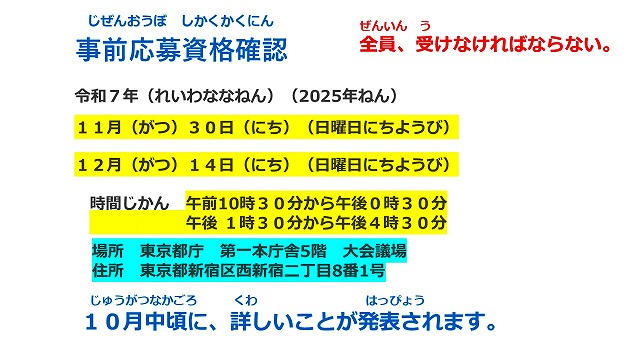
事前資格審査は予約が必須
Pre-qualification screening requires an appointment.
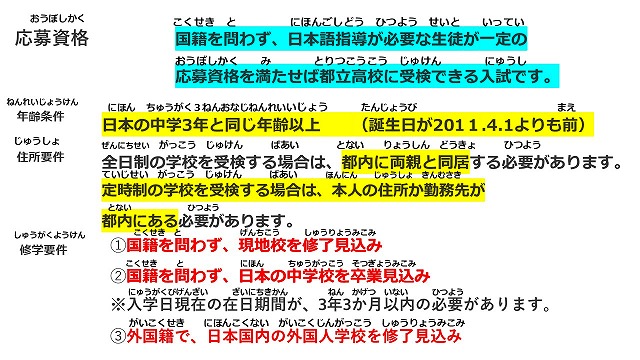
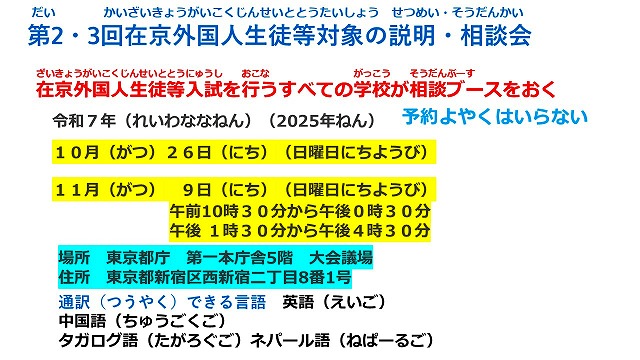
受検するためには、事前応募資格確認を受けなければなりません。11月30日と12月14日のどちらかです。都庁で行いますので、それまでに、準備できる資料は準備しておいてください。これを受ければ、在京枠受検を受けられるか否かを判断してもらえます。予約が必要で必ず予約をしてください。11月30日は、予約が遅くなると、12月に回されます。昨年も予約がすぐ埋まってしまいました。早めに予約を入れてください。
To take the exam, you must undergo a pre-application eligibility check. This will be held either on November 30th or December 14th. Since it takes place at the Tokyo Metropolitan Government Building, please prepare all necessary documents beforehand. This check will determine whether you qualify to take the Tokyo-based exam. Reservations are required; you must make one. If you book late for November 30th, you will be rescheduled for December. Last year, reservations filled up quickly. Please book early.
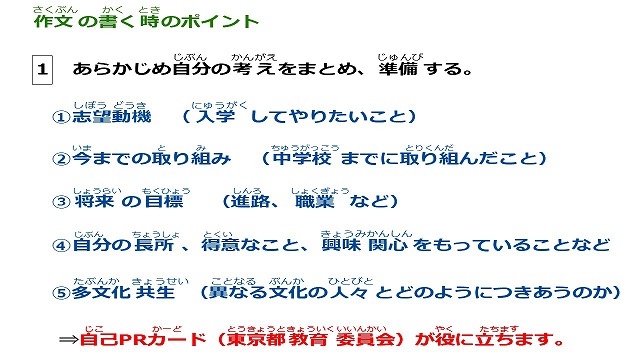
自己PRカードの準備を
Prepare Your Self-Promotion Card
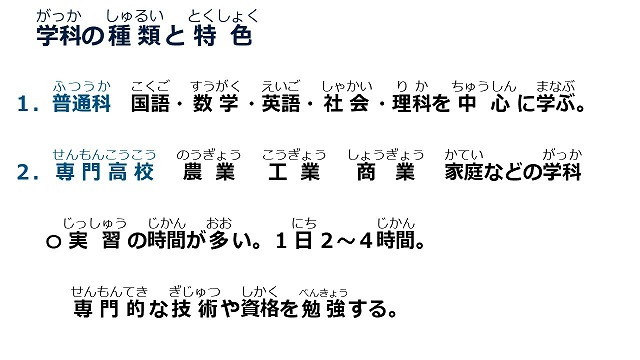
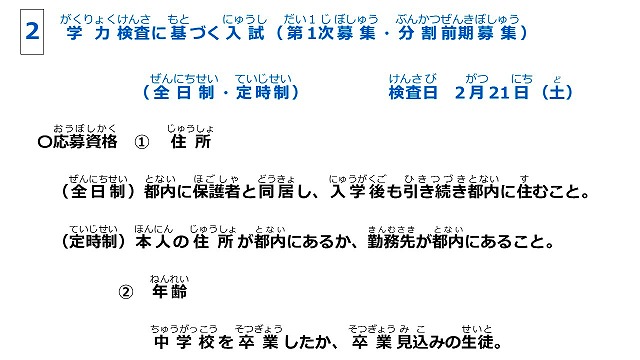
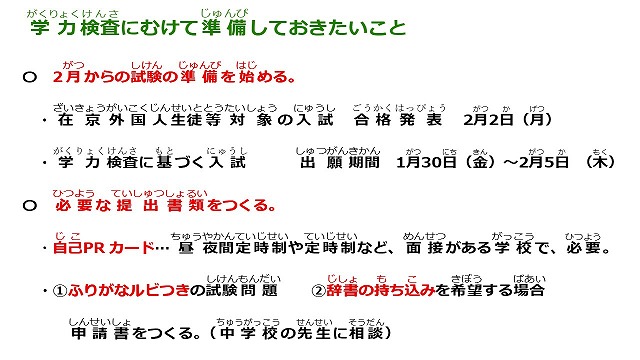
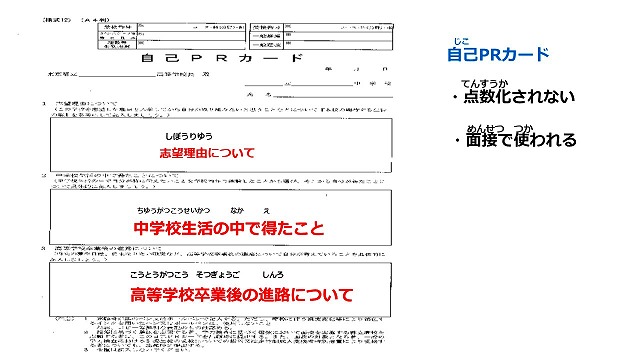
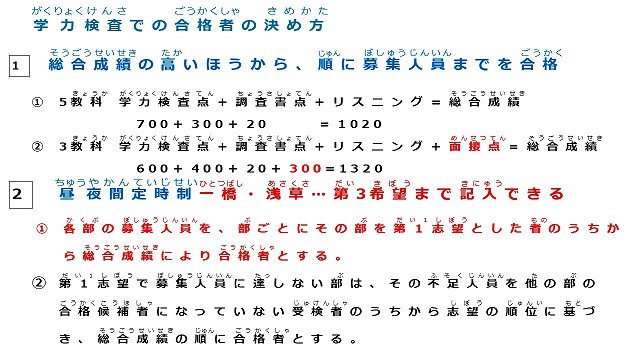
在京外国人特別枠入試が不合格になったら、学力検査の一般受検となります。その時は、自己PRカードが必要になります。準備をしておいてください。一般入試は、3教科と5教科の学校がありますので、注意をしてください。特別枠を持つ12校以外ももちろん受検できます。なにが違うかというと、日本語サポートです。12校は日本語サポートがしっかりしています。それを考えて、一般受検の学校を選んでください。12校の中には、部を選べば、倍率が低い学校もありますので、昨年のデータを見て選んでください。選んだ学校はあらかじめ学校見学をして、学校の先生と話しておいた方がよいです。また、工科高校は倍率が低いところもあるので、技術を身に着けたい人には有利です。都立高校の設備はとても立派で、高いレベルで、工科高校に入って技術を身に着けるのは就職にも有利です。
If you fail the Special Admission for Foreign Residents in Tokyo, you will take the general academic entrance exam. At that time, you will need a self-promotion card. Please prepare it in advance. Note that some schools require three subjects for the general exam, while others require five. You can, of course, apply to schools other than the 12 with special admission quotas. The key difference is Japanese language support. The 12 schools offer robust Japanese language support. Keep this in mind when choosing schools for the general exam. Among the 12 schools, some have lower competition rates depending on the division or course you choose, so review last year’s data when selecting. It’s advisable to visit your chosen school beforehand and speak with the teachers. Additionally, some technical high schools have lower competition rates, making them advantageous for those wanting to acquire technical skills. Metropolitan high schools boast excellent facilities and high standards; entering a technical high school to gain skills is also beneficial for employment.
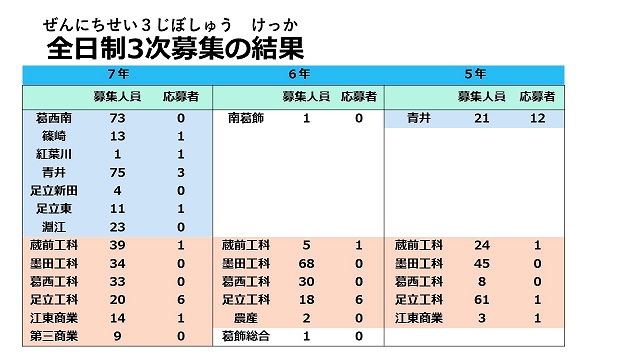
全日制3次募集をする高校もある
Some high schools conduct a third round of full-time enrollment recruitment.
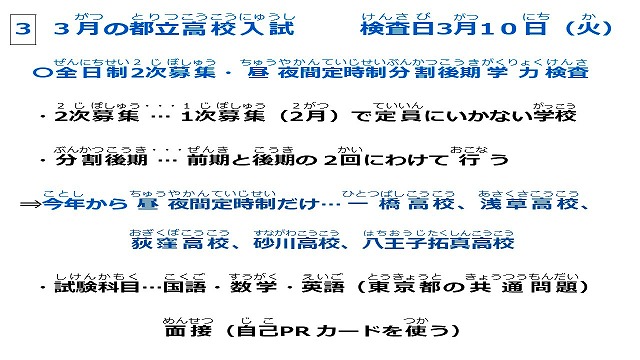
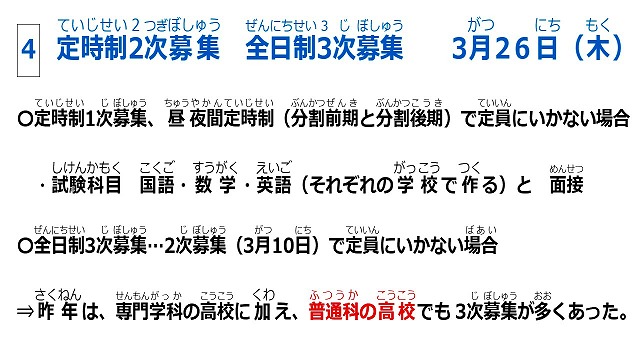
分割前期・後期、の受検に失敗しても、定員に満たなった場合、3月23日願書受付による3次募集が行われることがあります。昨年の例では、全日制3次募集の結果を見ると、まだ空きがあります。つまり3次募集で応募すれば、入れるのです。前期、後期・2次募集が不合格になっても、まだ入れる都立高校はありますので、あきらめずにチャレンジしてください。
Even if you fail the first and second rounds of application, if enrollment quotas remain unfilled,the third round of recruitment may be held with applications accepted on March 23rd. Looking at last year’s results for the third round of full-time enrollment, there were still openings available. This means that if you apply during the third round, you can still get in. Even if you are unsuccessful in the first or second, or third rounds, there are still metropolitan high schools you can enter. So please don’t give up and keep trying.
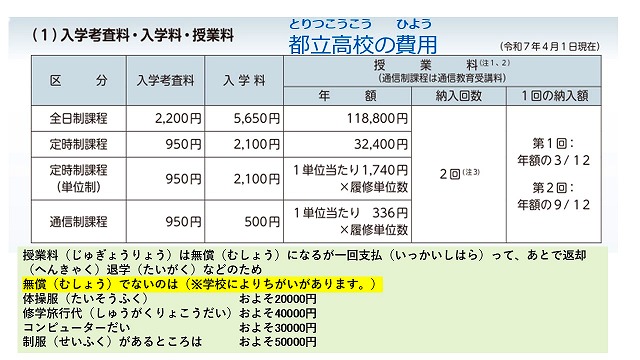
授業料は無償になりますが、積立金や制服、タブレットなどの費用はかかります
Tuition fees will be waived, but costs such as savings deposits, uniforms, and tablets will still apply.
学費は無償になりますが、入学金、制服代、部活動費、修学旅行費などの「授業料以外の諸費用」は対象外となります。詳しくは、入学後案内されるそうです。
While tuition fees are waived, “other expenses besides tuition fees” such as the entrance fee, uniform costs, club activity fees, and school trip fees are not covered. Details will be provided after enrollment.
入試説明を受けて会場からの質問
Q:複数高校を同時に応募することができますか?また先ほどの倍率の表ですが日本人も含まれているものですか
Q: Can I apply to multiple high schools at the same time? Also, regarding the admission rate table mentioned earlier, does it include Japanese applicants?
A:一校しか応募できません 在京入試の倍率は在京入試受験者についてですが、その他の学校も含む全体の入試倍率については 日本人も含む全体の倍率です 外国人の入試ですが、在京外国人入試を受ける場合には、受かった場合は、都立高校に関しては、例えば国際高校を受けることはできません。国際高校は、2月に入試があります。在京外国人入試は1月。 私立の場合には私立一校だけという推薦入試があります。合格場合は都立高校を受けることは中学校の方で認めないです。推薦入試に関しては合格した場合、他校は受けられないのでご注意ください。
A: You can only apply to one school. The admission ratio for the Tokyo Metropolitan Entrance Exam applies only to applicants taking that exam. The overall admission ratio, which includes all applicants including Japanese nationals, is different. Regarding the foreign student entrance exam: if you take the Tokyo Metropolitan Foreign Student Entrance Exam and are accepted, you cannot then apply to a Tokyo Metropolitan high school, such as the International High School. International High School holds its entrance exam in February. The Tokyo Metropolitan Foreign Student Entrance Exam is in January. For private schools, there are recommendation-based admissions where students can apply to only one private school. If accepted, junior high schools will not permit students to apply to Tokyo Metropolitan high schools. Regarding recommendation-based admissions, please note that if accepted, you cannot apply to other schools.
特別枠を受けることで四回受験できます。一回目の在京外国人枠を。失敗してもあと三回あります。だから安心してください。どこかには入学する可能性が高いです。 そのために。今皆さんに配ってある表の中には。今年倍率が低い学校が書いてあります。それを見て。 受検する学校を決めれば。安心して受けることができます。
By applying through the special admission category, you can take the exam four times. Even if you fail the first attempt under the Tokyo Foreigner Quota, you still have three more chances. So please rest assured. You have a high chance of getting into a school somewhere. For that reason, the chart distributed to everyone now lists schools with lower competition rates this year. By looking at it and deciding which schools to apply to, you can take the exams with peace of mind.
在京外国人入試に関しては。試験は作文と面接ですが、200字程度の作文を二本書いておいてください。 作文を練習して、中学校の先生に見てもらうようにするといいと思います。
Regarding the entrance exam for foreign students in Tokyo. The exam consists of an essay and an interview. Please prepare two essays of about 200 characters each. I recommend practicing your essays and having your junior high school teacher review them.
もう一つは面接の練習。 昨年先輩の経験で出た話では。ユーチューブに面接の練習映像があるので利用してみてください。面接は保護者の方々にみてもらうといいと思います。それはぜひやってください。
Another thing is interview practice. Based on what seniors shared from their experiences last year, there are interview practice videos on YouTube, so please make use of them. It’s a good idea to have your parents watch your interviews. Please definitely do that.
最後にもう一点三部制の学校を受けるときには。 必ず第一希望。第二希望、第三希望まで書いておくこと。 書いておけば。第一希望の倍率が高くても、第二希望、第三希望に回してくれます。どの部を出ても卒業証書は同じです。 だから。必ず第三希望まで書いておいてください。
One final point when applying to schools with a three-division system: Be sure to list your first, second, and third choices. If you do so, even if the competition for your first choice is fierce, they will consider you for your second or third choices. The diploma you receive is the same regardless of which division you enter. Therefore, be sure to list up to your third choice.
Q:外国人の生徒さんが高校に入ってから。 クラスは日本人の生徒さんとは別クラスですかまだ同じクラスに入って授業を受けるのですか?
Q: After foreign students enter high school, are they placed in separate classes from Japanese students, or do they still attend classes together?
A:回答 同じクラスです。東京都は。 多文化共生。一緒に生きるということを実践していますから。 大丈夫です。
A: Answer: It’s the same class. In Tokyo multicultural coexistence, we practice living together. It’s okay.
Q:Face Bookでこのガイダンスをみたのですが、東京以外に住んでいる場合は受けることはできませんか・
Q: I saw this guidance on Facebook. If I live outside of Tokyo, can I still participate?
A:東京に住んでないと受験できません。千葉の場合は千葉の学校を受験します。東京を受ける場合は親子で東京に住んでいるという住民票が必要になります。定時制の場合は住んでいる場所が違う県の場合、勤務先が東京にある必要があります。
A: You cannot take the entrance exam unless you live in Tokyo. If you live in Chiba, you take the exam for schools in Chiba. To take the Tokyo exam, you need a residence certificate showing both parent and child live in Tokyo. For evening courses, if you live in a different prefecture, your workplace must be located in Tokyo.
Q:もし東京に引越ししたら、受けることができますか?また試験は英語でも受けることができますか?
Q: If I move to Tokyo, can I still take the exam? Also, can I take the exam in English?
A:東京に、親子で住めば受けることはできます。:在京外国人の都立入試は
日本に入国してから。三年三ヶ月(3か月overまでは3年とみなされる)経っていない場合は 日本語が理解できないということで在京特別枠があります。 日本語がうまくない人のための入試で。英語の試験も選べます。
試験に関しては。 在京外国人の入試に関しては。 作文で日本語を使うか、英語を使うか。また面接でも同じように選択できます。
A: If you live in Tokyo with your child, you can apply.
For Tokyo Metropolitan entrance exams for foreign residents in Tokyo:
If you have been in Japan for less than three years and three months (up to three months over is counted as three years), there is a special quota for Tokyo residents due to insufficient Japanese comprehension. This is an entrance exam for those with limited Japanese proficiency. You can also choose to take the English exam.
Regarding the exams: For the Tokyo Metropolitan entrance exam for foreign residents: You can choose whether to use Japanese or English for the essay. The same choice applies for the interview.
高度な英語の授業ができるところは、都立高校では。 国際高校の国際バカロレアコースっていうのがあります。それは英語の授業を中心にやりますけども、入学できるのは五名だけです。 非常に厳しく倍率も高いです。 それは1月の在京外国人と同じ日程で国際高校のバカロレアコースの試験があります。どちらかを選ぶかですね。
You can find advanced English classes in Tokyo Metropolitan high schools; there is the International Baccalaureate program at the International High School. It focuses on English classes, but only five students can be admitted. The selection is extremely rigorous and highly competitive. The entrance exam for the International High School’s IB program is held on the same schedule as the January exam for foreign residents in Tokyo. You have to choose one or the other.
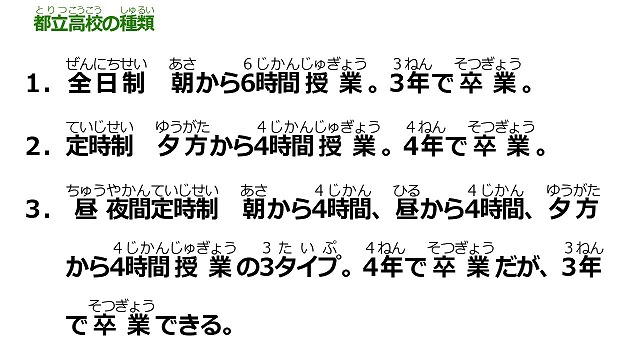
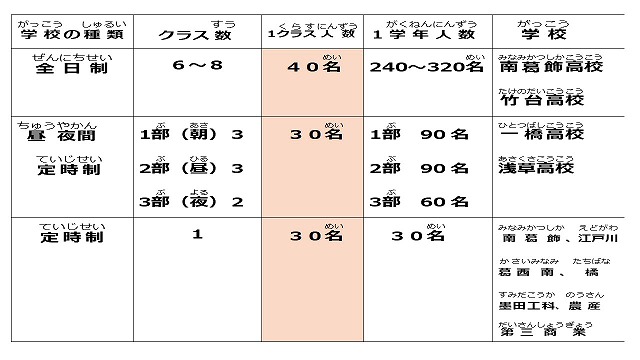
都立高校の種類
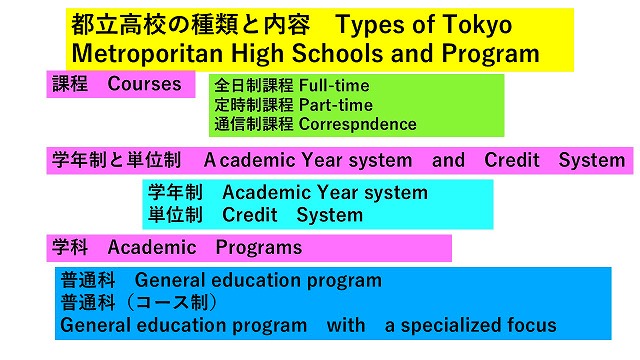
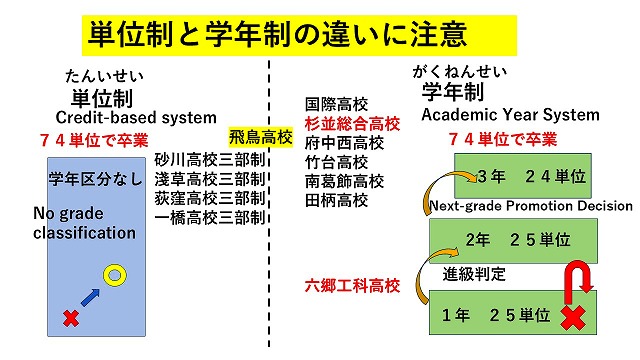
単位制と学年制の違いを理解しよう
Understanding the Difference Between Credit-Based and Academic Year System(Grade-Based Systems)
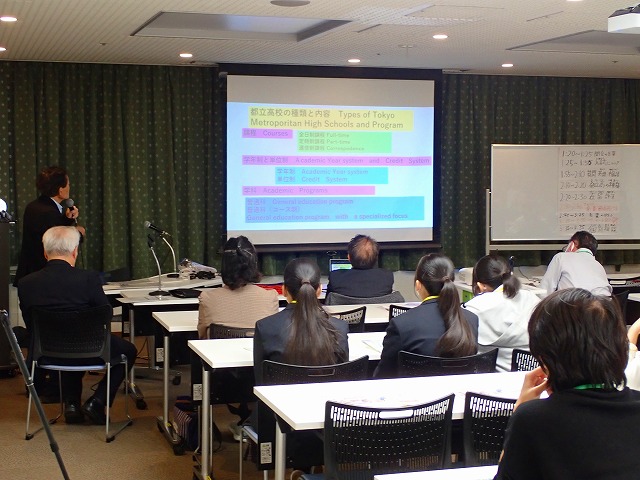
都立高校の種類が増えて、どこを受けてよいかわかりづらいという質問をうけて、都立高校のタイプについてまとめてみました。最も重要なことは、単位制を選ぶか、学年制を選ぶかの選択です。学年制は、1年間に取らなければいけない単位数が決められていて、それが取れないと進級判定で進級できません。
一方、単位制は、3年ないし4年の間に卒業単位を満たせばよいので、積み上げ式に、単位は増えていき、好きな選択を自由に考えることができます。途中での進級判定はありません。
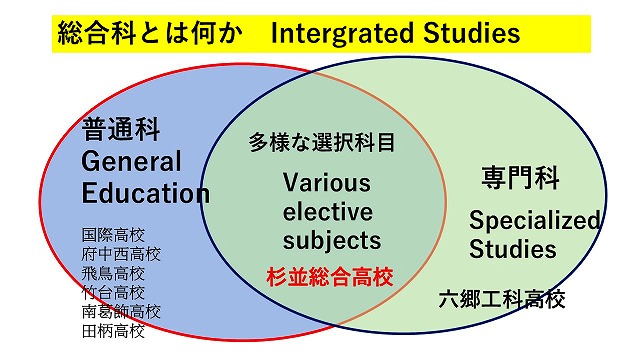
また、総合科についても説明しました。図にあるように、普通科と、専門科が交わる領域にあるタイプで、普通科でありながら、専門的な科目を選ぶことができる学校です。将来、どんな進路に進むかまだ決められない子にとって、多様な科目を試すことができる学校です。
With the increasing variety of Tokyo Metropolitan high schools, many students ask which one to apply to. Here’s a summary of the types of Tokyo Metropolitan high schools. The most important choice is whether to select a credit-based system or a grade-based system. In the grade-based system, a set number of credits must be earned each year. If this requirement isn’t met, students cannot advance to the next grade level based on their promotion evaluation.
In contrast, the credit system allows students to accumulate credits over three or four years to meet graduation requirements. Credits are earned incrementally, and students can freely choose their preferred subjects. There are no mid-term promotion evaluations.
I also explained the Comprehensive Course. As shown in the diagram, this type lies at the intersection of the General Course and the Specialized Course. It’s a school where students can choose specialized subjects while still being part of the General Course. It’s ideal for students who haven’t yet decided on their future path, offering the chance to explore a diverse range of subjects.
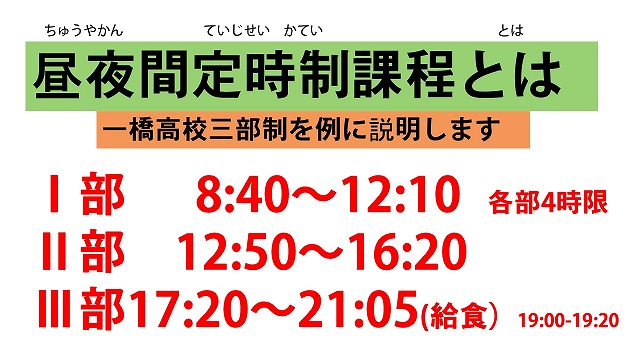
自由に自分で科目を選択できる昼夜間定時制
Day- and- night part-time school Allowing Free Subject Selection
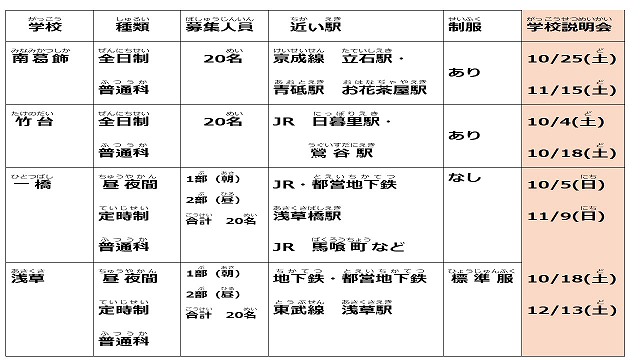
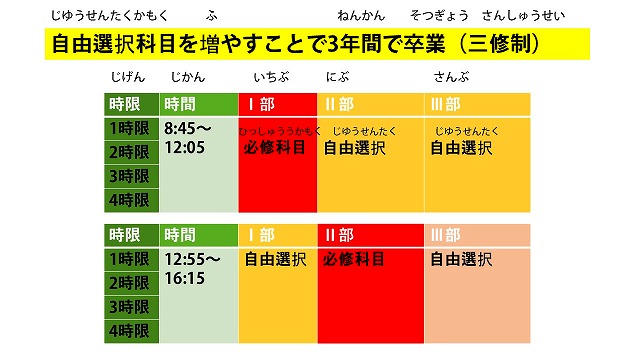
今回、会場では時間がなく、詳しく説明できませんでしたが、人気の昼夜間定時制というタイプがあります。スライドで説明します。この学校は3部制で、自分の生活時間に合わせて、部を選ぶことができます。朝が弱い子は、2部を選べばよいわけです。部ごとの時間は短くなるので、卒業までに4年間かかることになりますが、他部の科目を選択できるシステムがあり、それを履修すれば3年で卒業できるようになるのです。
Due to time constraints at the venue, I couldn’t explain this in detail, but we offer a popular Day- and- night part-time school program. Let me explain using the slides. This school operates on a three-shift system, allowing students to choose a shift that fits their schedule. Students who struggle in the mornings can simply choose the second shift. While the hours per shift are shorter, meaning graduation takes four years, the system allows students to take courses from other shifts. By completing these courses, it becomes possible to graduate in three years.
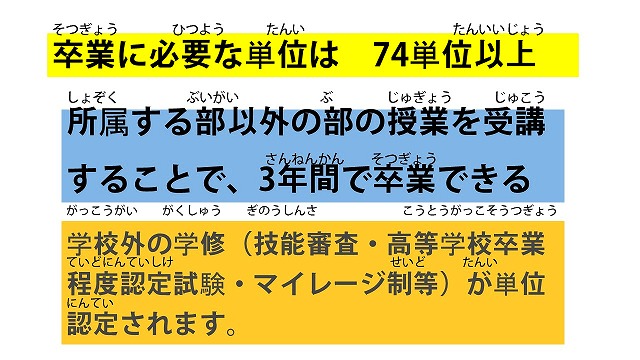
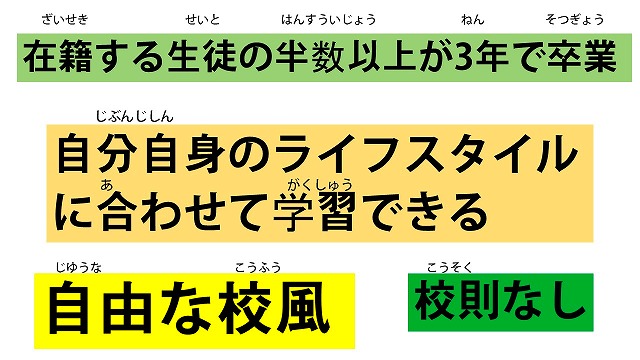
ライフスタイルに合わせて学習できる
You can learn at your own pace to fit your lifestyle.
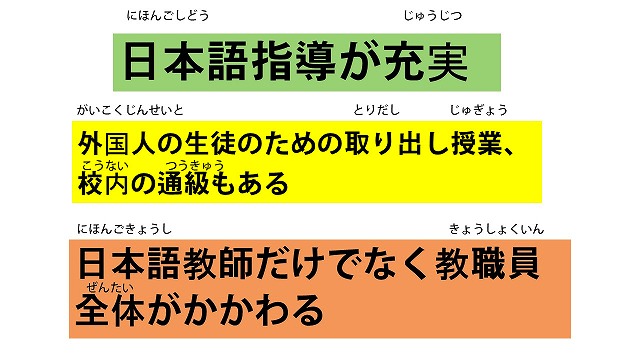
しかも、日本語指導が充実していて、自分のライフスタイルに合わせて学習ができることから、自由な校風を望む子にとってはとても良い学校です。定時制ということで、普通学年制を望むかたには、選ばれないこともあり、倍率は高くはありません。しかし、自分のライフスタイルに合わせて、ゆっくりでも、はやくでも、自由に選べる学校は良い選択だと思います。
Moreover, with its robust Japanese language instruction and the ability to tailor learning to your lifestyle, it’s an excellent school for students seeking a flexible atmosphere. Being a part-time program, it may not be chosen by those preferring a standard academic year system, resulting in lower competition rates. However, I believe a school where you can freely choose your pace—whether slow or fast—to fit your lifestyle is a good choice.
在留許可について
Regarding Residence Permits
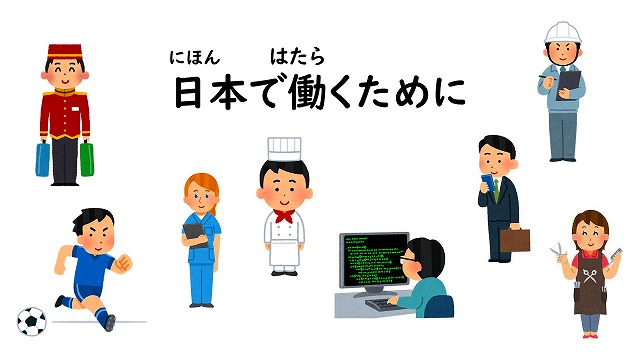
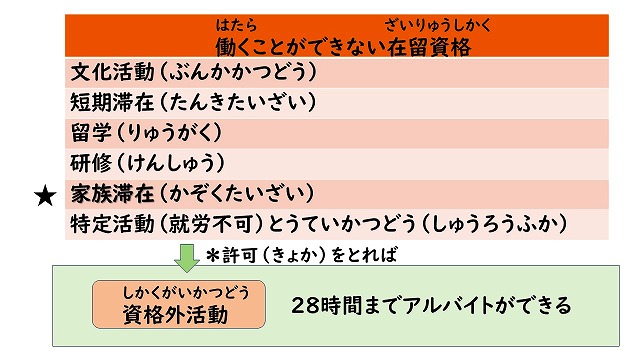
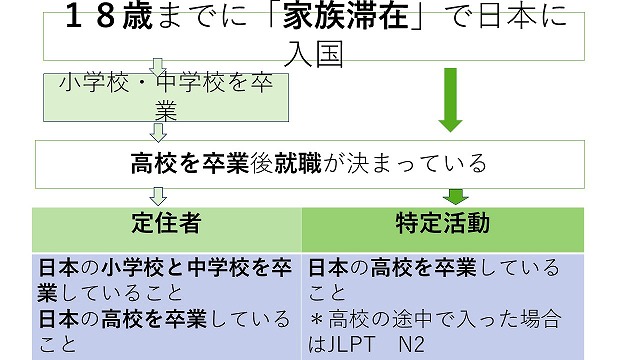
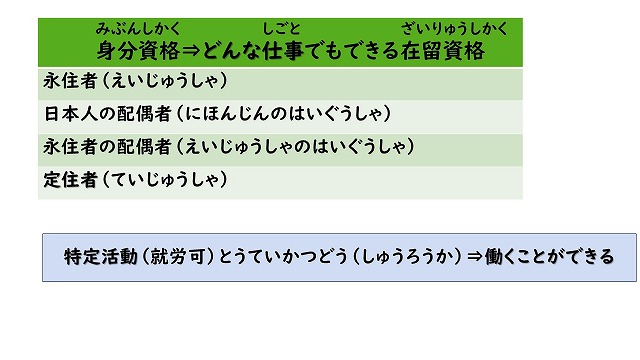
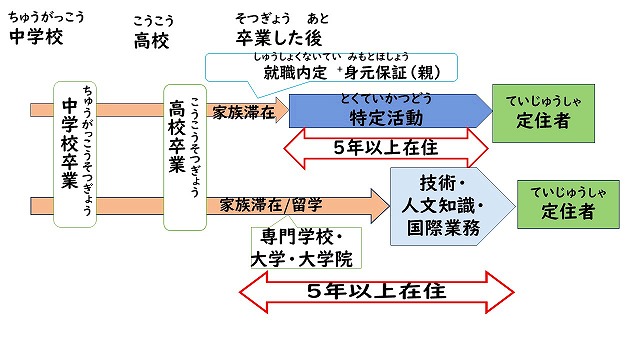
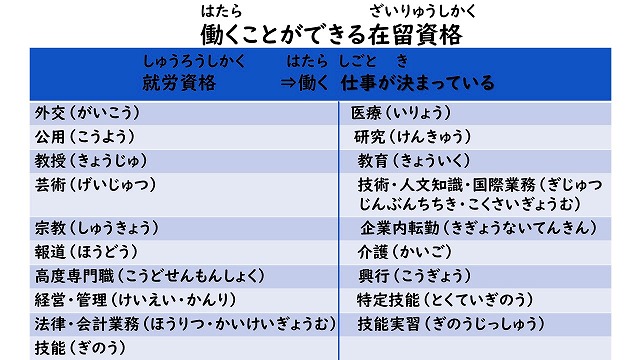
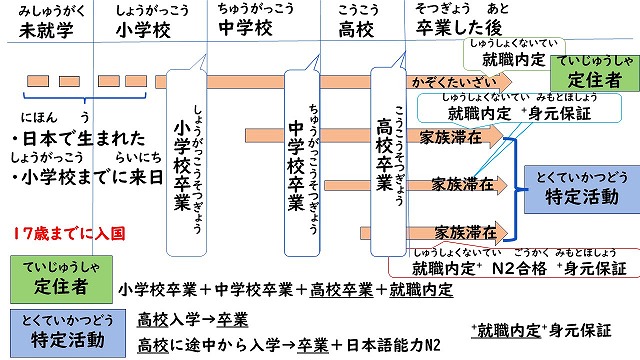
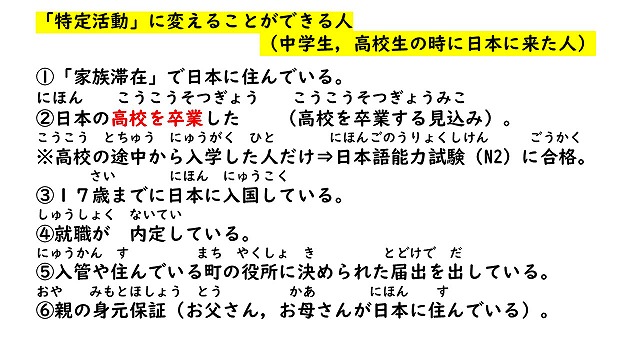
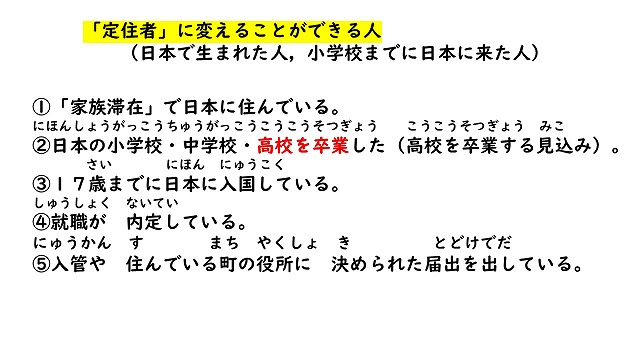
在留資格在留資格は将来日本将来日本で働くために重要です。いまは、家族滞在のひとがおおいですが、18さい以上にになると、審査がきびしくなります。学校に入っているか、働いていない場合は許可されないばあいもでてきます。
そのため、高校を卒業して、就職するか、卒業後、専門学校か、大学に、進学してから、就職しましょう。
高校では、申請すればアルバイトを、週28時間することができます。
Your status of residence is crucial for working in Japan in the future. Currently, many people hold family stay status, but once you turn 18, the screening process becomes stricter. If you are not enrolled in school or employed, your application may be denied.
Therefore, after graduating high school, either find employment or continue your education at a vocational school or university before seeking work.
While in high school, you can work part-time up to 28 hours per week if you apply for permission.
先輩の話しインタビュー
Q:これから皆さんの先輩にお話を聞きます。では4人の高校生に聞いてみます。
We’ll now hear from your seniors. Let’s ask these four high school students.
D:こんにちは。私はフィリピン出身で、今一橋高校三部制の三部に通っています。 今日はよろしくお願いします。
D: Hello. I’m from the Philippines and currently attending the third division of Hitotsubashi High School’s three-division system. Nice to meet you today.
C:こんにちは。中国出身で一橋高校三部制の二部に通っています。A:こんにちは。私は現在南葛飾高校の一年生です。 フィリピン出身です。 B:私も現在南葛飾高校の一年生です。フィリピン出身です。2022年の3月に日本に来ました。よろしくお願いします。
C: Hello. I’m from China. I am attending Hitotsubashi high school, 2nd division out of its three-division system.
Q:高校の受験は 面接と作文ですか?一般受験ですか? A、B:はい面接と作文です。 私は英語で作文と面接をやりました。
Q: Did you take the interview and essay (sakubun) to enter high school? Or the normal entrance exam? A, B: We took the interview and essay. I took both in English.
C,D: 僕は、面接と三科目の数学と国語と英語のテストでした。 面接と作文と。 3科目のテストです。
C,D: For me, it was an interview and a test of three subjects Math, Japanese and English. Interview, essay, and three-subject test.
Q:3教科の試験を受けた方はどの試験が難しかったですか。
Q: For those who took the three-subject test, which one was the most difficult?
C:国語が一番難しかったです。B:僕は三科目で一番難しかったのは英語です。
C: Japanese languege(kokugo) was the most difficult.
Q:作文はどうやって勉強しましたか? どのぐらい前から勉強しましたか?
Q: How did you practice for the essay? How long before did you start preparing?
A: 試験の前に。インターネットで調べて、作文の練習をしました。
A: Before the exam, I searched on the internet and practiced writing essays.
Q:インターネットから問題を自分で探したんですね。Q:作文は、日本語ですか?英語ですか?
Q: So you searched for essay topics on the internet yourself! Was the essay in Japanese or English?
A:英語です。毎日学校に早く行き、中学校の先生と毎日面接の練習をして。 毎日4時間くらい、作文の勉強をしました。
A: English. Everyday I go to school early to practice for the interview with my teacher in junior high. I practiced for the essay for about 4 hours each day.
Q:4時間とはすごいですね。Q: 4 hours is impressive!
C:そうですね。私は中学校の時に担任の先生と毎日放課後面接に向けての練習をいっぱいしました。 また、地域のグローバルキッズドアという日本語を支援教室で日本人の先生に日本語の面接について教えてもらいました。
C:Well, when I was in junior high, I practiced a lot with my homeroom teacher everyday after class to prepare for the interview. Also, a Japanese teacher from Global Kids Door, the local Japanese language support classroom, taught me how to do an interview in Japanese.
B:私は中学3年生になった時から。 ずっと毎日作文の練習をしていました。
B: For me, since I got to 3rd grade of junior high, I had been practicing writing essays everyday.
D:テレビのニュースを見て日本語を勉強しました。また 中学校の校長先生がたくさんのことを教えてくださいました。一番役に立ったのはテレビのニュースを見て勉強したことです。 もちろん作文にも役立ちました。 面接に関しては、ニュースではたくさん役立つ言葉がありました。 綺麗な日本語で話しています。毎日聞いて、こんな風に言えばいいかなと思っていました。 それでだんだん慣れてきたら。 普段でも面接のような話し方になっていきました。 国語の先生にもこんな風に表現してみたいけれど、どうすればいいかとかを相談したこともあります。 お父さんが日本人で、毎日スピーチの練習をみてもらいました。とても楽しく練習することができました。
D: I learnt Japanese through the news on TV. Besides, my junior high school principal also taught me a lot of things. What I found most helpful was learning through watching news. Of course, it was good for essay writing. For the interview, I also learnt a lot of useful vocabulary. Since they were speaking in polite, proper Japanese, while I was listening everyday, I thought I should learn to speak in that way. As I gradually got used to it, even in everyday situations I started speaking as if I were in an interview. I consulted with my Japanese language teacher on how to express in that way as well. Since my father is Japanese, he helped me with speech practice. I’m glad I could have such fun practices.
Q:聞くこと大切ですよね。学校の先生、校長先生も協力してくれますから、先生にお願いしてみてください。相談にのってくれます。日本語はどのくらい勉強しましたか?
Q: Asking is important, right. Your school teacher and school principal will help you, so please don’t hesitate to ask. They’ll give us advice. How long have you been learning Japanese?
D:来日して6ヶ月中学校で勉強し、さらに自習で勉強しました。
D: I had 6 months learning in junior high school after arriving in Japan. I also learnt by myself.
Q: 自分ではどのくらい勉強したんですか?
Q: How much did you learn by yourself?
D:毎日でも勉強しないといけないと思います。 毎日勉強しなければダメです。 毎日使うとやっぱり慣れてくるので、それ からだんだん、易しくなると思います。
D: I think I must study everyday. I have to choice but to study everyday. If we use it everyday we’ll get used to it, from that point on it’ll gradually become easier I think.
Q:そうですね。聞いて。はなして。 わからないことを調べます。分かってくると話したくなりますよね。
Q: That’s right. Listen, speak, search for what we don’t know. And when we know more we want to speak more, right.
C: 中国から日本に来て、毎日勉強しています。 小学校に入ってからずっと日本語を話すようにしました。 先ほど言ったみたいに地域の支援教室で勉強してきました。 様々な勉強を通して日本語の勉強をしています。 学校で日本人の会話をたくさん聞いて、日本語を勉強しています。
C: Since I came to Japan from China, I have been learning everyday. I entered elementary school and always tried to speak in Japanese ever since. As I introduced before, I learnt from a local language support classroom. I am learning Japanese in various ways. At school, I listen to Japanese people’s conversation and learn the language.
B:フィリピンから来日して一年間ぐらい日本語を勉強しました。
B: I have learnt Japanese for around 1 year since I moved here from the Philippines.
A: 私は日本に来てから家族が全員日本人だから。 毎日会話することで学びました。
A: I came to Japan and my family were all Japanese, so I could learn through daily conversations.
Q:話す日本語と文章になっている日本語とは違いますよね。 そこが一番大変ですね。
Q: The spoken Japanese and written Japanese are different. That must be the hardest part.
Q:皆さん面接の時の様子を教えてください。 面接の時、先生は一人ですか?たくさんいましたか?何を聞かれたか覚えていたら。 教えてもらえますか?
Q: Can you tell us how the interview went. At the time, was there one teacher in the room? Or were there a lot? If you remember what you were asked please share with us.
A: 面接の時は先生が二人いました。面接で覚えているのは、「自分の国と日本の違い」、「中学校の時に一番頑張ったこと。
A: There were two teachers there in my interview. What I can recall are “Tell me the differences between your country and Japan”, “Tell me about what you tried the hardest for during junior high years”
B: 私も面接の時先生が二人いました。 質問は「高校に入って何を頑張りたいですか」、「一番得意な教科と苦手な教科」
B: There were also two teachers in my case. The questions were “What do you want to work hard at in high school?”, “What subject are you good at and bad at?”
C:僕の高校の面接は面接官が三人でした。 内容は「志望理由」「中学校で一番頑張ったことや。 一番思いに残ったことと」「 長所と短所」です。
C: There were three people interviewing me. It was about “Why this school”, “What I worked the hardest on and what was the most unforgettable memory in junior high”, and “Strength and Weakness”.
D:面接のときは三人の先生がいらっしゃった。 質問に対して回答が難しかったのは「日本では一番印象が残っているところはどこですか?」 古いものが好きな私ですが、どう答えてよいか迷いました。
D: There were three teachers there in my interview. The struggled to answer question for me was “What part of Japan left the strongest impression on you?”. For someone who likes old things like me, I wasn’t sure how to answer it.
Q:面接での答え方についてですが、「短所について」聞かれているときに、「・・・は苦手です」だけではなく「・・・はダメなんですが、こうすればよくなっていくと思います。というふうに言えばいいと思います。
Q: This is about how to answer. For example, when you were asked about your weakness, I think it would be better if you say “I’m not good at…, but if I do this I can improve” than just “I’m not good at…”.
D「日本に来て。 どこが一番好きですか?」って聞かれて、私あんまり出かけないので、どこだろうって思ったのです。D: When I was asked which place I liked the most since moving to Japan, I was baffled because I am not the type who goes out a lot.
Q:一橋高校は面接の先生が3人、南葛飾は二人ですね。皆さんは自分の長所短所はわかりますか?どうですか?考えておきましょう。
Q: For Hitotsubashi High School there were three teachers, and there were two for Minami Katsushika High School. Do you know about your strengths and weaknesses? Let’s think about it.
A:私の長所は人とのコミュニケーションです。
A: My strength is communicating with others.
B:コミュニケーションが難しいです。
B: Communication is hard for me.
D:ちょっとマイナスですよね。でもプラスに変えていくことができます。
例えば、「この高校には日本語授業があり、外国人へのサポートがあります。 私は日本語が苦手ですが、この学校にはサポートがありますので、私はそれを頑張っていこうと思います」と言うことで印象が良くなります。
D: This looks like a minus, but we can turn it into a plus. For example, “In this high school there are Japanese classes and support for foreigners. I am not good at Japanese, but there is support here, so I can try to improve”. This will make a better impression.
Q:いいですね。よく人のこと聞くことができますと言うといい面を伝えることになりますね。
Q: Good idea. “I am not good at talking but good at listening” is also another way to show your good side.
C: 僕の短所は。特にないですが。僕の得意というか特技はスポーツをすることです。 サッカーとか卓球やバスケとかいろんなことをすることが好きです。
C: My weakness is… nothing specifically, but I am good at sports. I like playing lots of sports such as soccer, table tennis or basketball.
苦手なことはありますか
Do you have any weakness?
D:失敗するとすごく心配です。落ち込みやすいですが、落ち込んでもまた立ち上がることができると思うことにしています(?)落ち込みの原因をたどっていくと日本と自分の国の違いがあったのかもしれません。
D: I am very worried about failures. I get depressed easily, but even so I believe I have the resilience to overcome it. Maybe the reason why I was depressed was the differences between Japan and my home country.
Q:お話の中でどこか気になることありましたか? 面接では何を聞かれるかは?南葛の先生がおられるので聞いてみましょう
南葛飾高校の先生 まず初めに皆さんに。 わかっていてほしいのは難しいことを聞くことはありません。 皆さんが多分すでに準備していること。 またはよく面接で聞かれるとインターネットで出てくることがよく聞かれます。 ですので、例えば今四人の方からお話があった自分の良いところ、悪いところ。 それをどう直していくか、あとは自分がこれまで頑張ってきたこと。 中学校やこれまでの学校で学んだことといったことになります。 あとは先ほどBさんがインターネットで問題を探したとありますけれども。 南葛飾高校のホームページで日本語支援というところがあります。 そこに令和6年度までの作文の問題は載っています。日本語版と英語版が載っていますので。 そちらもおそらく他の学校でも掲載されていますので参考にしてください。 よろしくお願いします。ありがとうございました。
Teacher from Minami Katsushika High school: First of all I want you to keep it in mind: we don’t ask you any tricky questions, but something you might have prepared from before, or something you can find if you search for interview questions on the internet, such as the personal strength and weakness that these four students have talked about. And then, how will you fix that, then what have you been working hard on, what have you learnt in your junior high school… B-san also talked about searching for the questions on the internet as well. On the home page of Minami Katsushika there’s Japanese language support session, where you can find essay questions from previous years. There are both English and Japanese version, and I think that other schools might have the same thing. I look forward to working with you. Thank you very much.
Q:中学校と高校って違いますか? どの部分が違いますか?教えてください。
Q: Are junior high school and high school different? What are the differences? Please tell us.
A: はい。中学校の時は。 携帯は使えないですが、高校では授業中でも使える場合があります。あと高校に入ってみたら教科学習が難しいです。 私は高校生に入ったら授業の準備はとっても大事だと思います。
A: Sure. When I was in junior high school, we could not use mobile phones, but in high schools sometimes we can use them during lessons. Also, when I got to high school, the school subjects became so difficult. I think once you get in high school, preparing for the class is very important.
C: 自分の高校はその髪型とか髪の色とかは特に決められてないので自由です。中学校とはだいぶ違います。 夜間中学校通いましたので、夜間中学校だと生徒の人数が少なくて。 クラスに先生が一人で生徒が5人でした。 また、ゆっくりマイペースで勉強することができます。高校に入ると生徒の人数も増え、先生が教えるところも多くなるから。C: In my high school, there is no specific rules hairstyle or color but we can do whatever. This is very different from my junior high school. Since I went to a night school for junior high, there were only a few students there, like one teacher and five students together. Moreover, we were able to learn slowly with our own space, but in high school there were more students, and teachers will lead the class more.
D:自立していかないといけないと思います。「これ分からないから先生に聞いてもいいですが、先生忙しい時はどうしますか。自立して 自分で問題を解決する必要があります。
また 中学では成績が悪くても卒業することができます。高校では成績が悪いと進級できない場合があります一橋高校では。 3年または4年か卒業したい期間を自分で決められることができます。三年間で無理だった場合、4年間で頑張ろうということができます。 または5年間で頑張ろう6年まで在籍できます。
やはり勉強を大事にし、休まずに学校に行き、勉強することが大切です。休むと進まなくなってしまうので。 頑張ってほしいと思います。高校に行くと自由が増えます。 スマホも持てます。でも勉強が難しくなります。頑張るのは自分です。 自分に責任があるということですね。
D: I think you must become independent. You might have things that you don’t know and you want to ask your teacher, but your teacher might be busy. You need to be able to solve the issue on your own.
Moreover, in junior high school, you can graduate despite having bad grades. However, in Hitotsubashi High school there are cases of not being able to advance to the next grade due to bad scores. You can decide by yourself whether you want to graduate in 3 or 4 years. If you can’t graduate in 3 years, then you can try to make it in 4 years. Or you can do you best in 5th year and graduate in 6th year.
Clearly, it’s crucial to attend to your studies and go to class without fail. If you skip school, you won’t be able to move forward. I want you to do your best. Once you go to high school, there will be more freedom. You can bring your smartphone. But you studies will get harder. It’s you yourself who will do your best. That means you are the one to take the responsibility.
Q:みなさん考えていることが大人ですね。 部活とか行事はどうですか?
Q: What you’re thinking is very mature. How about the clubs and activities?
D:夜間だと部活がないですが、 それでも活動があり、忙しくなっています。部活だけではなくて。 一橋高校は文化祭、体育祭がありそれ以外にも結構いろいろ頑張ることが多いです。
D: In night parttime school, there are no club activities, but there are still some other activities and things get quite busy. There are not only clubs. At Hitotsubashi High school there are school festival, sports festival, and outside of that there are various things to work hard on as well.
Q:どうでしょう。勉強以外で楽しいこと、頑張っている活動はありますか?
Q: How do you think? Outside of studying are there any activity to have fun or to work hard on?
C: 勉強以外だと部活動ですね。昼間部なので、バスケ部に入っています。勉強でとっても疲れている時にも部活で結構楽しく活動することができます。C: About club activities outside of academics, as I study in the day shift, I am part of basketball club. Even on days when I am very tired from studying, I can still enjoy my club activities.
A:私は部活じゃなくて生徒会に入って生徒会活動をしています。
A: I am not doing club activities but I am part of the student council.
Q:生徒会活動や部活をすると日本語ってどうですか? 勉強とまた違う言葉がたくさん出てくるとかも。 日本語は上手になりますか?話はたくさんできますか?どうですか?
How does participating in student council activities or club activities affect your Japanese comprehension? The words and expressions must be different from the language used in class. Will it help improve your Japanese? Do you have lots of chances for speaking practice? How do you think?
日本人の方が多いからやっぱり日本語のレベルが高くなって。 友達もできてコミュニケーションが進みます。
There are more Japanese people there so surely ower Japanese level will get higher, we can make friends and communicate better.
Q:部活をやっていると日本語が上手になりますか。勉強にもなりますか?日本語の。
Q: Have your Japanese improved with club activities? Did you learn Japanese through it?
C:部活でも、例えばバスケットボール部で、試合に向けて作戦について話をしたり、また試合中にもいろんなコミュニケーションをとります。 それに向けて日本語の勉強が必要だし、会話すること多くなります。
C: Even in clubs, such as in basketball club, we communicate to talk about the strategies for the match, or during the match. We need to learn Japanese to do that, and there will be more conversations.
D:友達ができるといいと思いますが。日本語学級では綺麗な日本語ばかり教えてくださるんですが。 やっぱり高校に入ると若い子たちって、今の流行りの言葉を話すのでびっくりしました。それもコミュニケーションとしていいことではあると思いますが、やはり高校では自立性が大切です。自分から手を挙げ、自分から声を出さないといけないと思います。
D: I think it’s good for making friends. In the Japanese language class, they taught us only very proper Japanese. But once you enter high school, young people speak trendy slang, that really surprised me.
I think that’s also good for communication, but in high school, independence is important. You have to raise your hand yourself and speak up on your own
Q:一橋高校では一週間にどのくらい日本語の授業がありますか
Q: In Hitotsubashi High school, how many Japanese lessons do you have per week?
D:私は夜の6時か7時半から。 9時までの授業があります。1部の生徒は、授業後、日本語の授業は2時から4時くらいまでの 間にあります。一日二時間ぐらいできます。
D: I study from 6PM to 7:30PM. I have class until 9PM. For students who study in the first shift, they learn Japanese after school from 2 to 4 o’clock. So we can learn around 2 hours per day.
すごいですね。一週間どのぐらい日本語の勉強をしていますか。
Wow. How much Japanese do you learn per week?
AB:二時間ぐらいです。 一回二時間、週二回あります。 在京外国人受験の学校には日本語支援の制度があります。 ですから、日本語ちょっと苦手でもまた先生が日本語をやさしい言葉で教えてくれますから、日本語勉強し易くなりますね。 南葛飾高校では日本人の方が多いよね。
AB: About two hours. We can take it once per week for 2 hours or twice per week. There is a language support system for schools in Tokyo with special admission for foreigners. Therefore, even if our Japanese is quite bad, teachers will use simple words to teach us, making the Japanese learning easier. In Minami Katsushika High school there are more Japanese people.
CD:一橋は外人の人と日本人が半分ずつです。
CD: In Hitotsubashi, foreigner – Japanese ratio is 50:50.
Q:日本人と普通に勉強していて困ることとかありますか?いじめとかはどうですか?
Q: Is there any trouble in learning normally with Japanese people? How about bullying?
D:いじめには一橋高校ではあまりありません。ほぼなしで多少トラブルがあっても、そのところの相談室があり五人の先生(相談員)がいらっしゃいます。 いつでも相談しに行って大丈夫なようになっています。
D: There is no bullying in Hitotsubashi. Even if there are few troubles, we can go to the counseling room, with 5 teachers (counselors). We can go to consult whenever we want.
C:そうですかね?そういうことはないと思ですけど。バスケに関してはそのバスケのうまさとかも中学校でバスケやっていた人とか。 高校からバスケを初めてやった人とかも。 なんかそういういじめとかは特にないです。
C: Well I think there is no such thin, at least in basketball. There is something like gap in basketball skill, like those who have done it since junior high school and those who just started in high school. There is no bullying related to that.
AB:やっぱりうちの学校は日本人の方が多いから、日本語わかんないと、日本人からいじめを受けることがありました。
AB: But at our school, since there are more Japanese students, if you don’t understand Japanese, sometimes you get bullied by Japanese students.
Q:多分中学校でもね、嫌だなと思っていることたくさんあったと思うのね。 でも多分コミュニケーションができるようになると。 たくさん話すと減ってくると思います。 そのためにはやっぱり日本語を話しましょうね。英語でもいいよね。嫌なことがあったら。 嫌だって言えば言葉がわからなくても。 わかりますから、嫌なことは皆さん嫌だって言ってください。
Q: Probably in junior high school too, you had many unpleasant experiences. But once you can communicate and talk more, it will decrease. So that’s why you should speak Japanese. English is fine too. If something unpleasant happens, even if your Japanese isn’t perfect, just say ‘I don’t like that.’ People will understand. If anything bad happens, please say so.
Q:では最後。皆さんの将来の夢。 ずっと日本にいますか?それとも外国で働きますか? 自分の国に帰りますか?何をしたいですか? 教えてください。
Q: Last question, about your future dream. Please tell us: Will you stay in Japan? Or will you work abroad? Will you return to your home country? What do you want to do?
A:私は日本で。 CA(飛行機の客室乗務員)。になりたいです。
A: In Japan. I want to be a CA.
B:心理学者になりたいです。 でも日本にいるか、外国に行くかまだ決めてないです。
B: I want to be a psychologist. But I haven’t decided whether I want to go abroad.
C:僕、将来の夢は 中国と日本から通訳になりたいです。
なぜかといういと私たちのように 外国から日本に来た子が最初日本語は分からないと思います。
トレーニングでの支援を通じて自分も社会に役に立ちたいです。
C: My dream is to become a Japanese – Chinese interpreter. That’s because just like us, there are those who don’t understand Japanese when they get to Japan. I want to contribute to society through offering support in training.
D:私は日本語を勉強しているので日本に在住したいと思いますが、仕事に関して今は着付けのお仕事をしていますが。 これから何になろうかわからないので。 自分の道を見つけたいと思います。
D: Since I am studying Japanese, I want to live in Japan. For now, I’m working in kimono dressing, but I’m not sure what I’ll become in the future, so I want to find my own path.
Q:そうですね。自分の道を決めるのは自分ですもんね。Dさんがずっと言っています。自立しなければいけないですね。そしてお話ししてくれた人たちはみんな何をしたいかな?と考えていますね。 とっても大切なことだと思います。 皆さんは何がしたいですか? どんな仕事をしてどんな生活をどこでしたいですか?
Q: That’s right. It’s you who decides your own way. D-san has been talking about this. You have to be independent. And our speakers are also wondering what you want to be. It’s important to think about it. What do you want to do? What kind of career and lifestyle do you want?
まだわかりませんがでももうすぐ考えなければいけないですね。 そのためには高校に行ってしっかり学習しなければダメだよね。入学したら卒業しましょう。そして 専門学校や大学に行きましょう。もちろん。 高校から仕事するのもいいです。 自分の夢に向かって。 自分の人生に向かって頑張ってください。 せっかく今日四人の先輩がいますから、先輩に。 聞きたいことはないですか? 忙しいのにね、来てくれたのですよ。皆さんのために。 英語でも中国語でも答えます。
Even if you don’t know yet, you’ll need to think about it soon. For that, you need to study properly in high school. Once you enter, make sure you graduate. Then go on to vocational school or university. Of course you can also enter the workforce after high school. Move towards your dream and your life. Since we have our four seniors here, do you have anything to ask them? They came here for us although they are busy. They can answer in English and Chinese too.
D:高校に入学して。やめるのはダメって言いましたね。 一昨日はですね。私出身中学校の文化祭に行きまして。 半年ぐらい経ちまして、副校長先生と話しまして、やっぱ目標がないといけないよね、例えば車で走っていても、どこが行きたいかわからないとずっと回るだけじゃない。それが考えた方がいいとは目標をまず考えて。 高校を決めるときも何になりたいか、どんな人間になりたいか。 どんな高校を受けたいか、どんなことをやりたいか。
D: We talked about how after entering high school, quitting isn’t good right. Just yesterday, I went to the school festival in my junior high school. After half a year, I talked to the vice principal, about the importance of having a goal. For example, even if the car is running, if they do not know where to go, they will just keep going in circles. You should think about your goal first, once you decide on high school, what do you want to become, who do you want to be? What kind of high school do you want to go, what kind of thing do you want to do?
Q:やっぱり高校にも自分に合わせないとうまくいかないと思います。たくさん学校見てください。学校見ることとっても大切です。一橋と南葛飾も違うところたくさんあります。
Q: After all, the high school must be a match for you, or else things won’t go well. Please visit a lot of schools, that’s very important. There are a lot of differences between Hitotsubashi and Minami Katsushika as well.
いいところも自分に合わなければダメですね。自分がいいと思う。 それを選ぶためには見に行かないとわかりません。 ネットで調べても本を読んでも誰がいるのかわかりません。 今日は一橋と南葛。こういう先輩がいるっていうのがちょっと分かったと思います。 見に行くともっともっといろんな発見があると思いますから、ぜひ皆さん、自分の行きたい学校を見つけて、頑張ってください。
Even if it is a good school, it wouldn’t work if the school does not match you. It needs to be good for you. That’s why you have to go to see and learn about it to make a choice. Even if you search on the internet or read in books, you don’t know who there are. Today, we got to know a bit about that through these seniors in Hitotsubashi and Minami Katsushika. You will discover many new perspectives if you go to see them, so please, go to find a school you want to go, and try your best for it.
個別相談まとめ
ネパール(Nepal)
江戸川区 在留1年ぐらい 技術を身につかさせたいので六郷工科を考えている。まだ、見に行っていないが家から遠いのでどうするか考えている。工科系は普通科より入りやすいことを話す。近くにも、工科系学校はある。が在京12校に入っていないと日本語サポートが弱いのが弱点。普通科も考えている。南葛飾高校も興味がある。まだ、どこの高校がいいか考えあぐねている感じだった。
Edogawa Ward, Japan Resided for about 1 year Considering Rokugo Technical High School to acquire technical skills. Haven’t visited yet, but considering the distance from home. Discussed that technical schools are easier to enter than general high schools. There are technical schools nearby too. However, a weakness is that Japanese language support is weak unless enrolled in one of the 12 schools in Tokyo. Also considering general high schools. Interested in Minami-Katsushika High School too. Still seems undecided about which high school would be best.
ベトナム 埼玉から
埼玉でも東京都は受けられるのかとの質問。東京都にすまないとむずかしいというと。私立は受けられるかとの質問で、私立は受けられると話す。来年から私立も、学費は無償になるが、制服や修学旅行の積み立てなどは無償ではない、都立の場合も同じだが、基準が違うため、私立のその他の経費の方が高いと考えたほうがよいことを話す。受検までに、東京都に住んでいれば受けられるので、東京都に引っ越すことも考えているとのことだった。
通訳のダンさんがベトナム語で通訳してくれて、話を詳しく聞くことができた。
They asked if it was possible to take exams for Tokyo school despite living in Saitama. It is difficult to enter a school in Tokyo without living there. Whether it is possible to apply to private schools, it is. From next year, tuition fee will be exempted for private schools as well, but the payment for school uniform and school trip are not. The same applies to municipal high schools, but the standards are different, so we could say overall the fees will be higher for private schools. Until the exam, if they live in Tokyo they can apply, so they were also thinking of moving to Tokyo.
Dang-san, our interpreter, has helped with the translation, so we could hear the detailed story.
中国(China)
父母とも日本語を話す 今年8月に子供来日、どんな学校に入学させれば良いか不安。
在京の受験可能であることを伝えた、学校のレベルに対してはのランク表をみせました
子供はまだ 日本語のコミュニケーションがなかなかとれず、困っているとのことでした。現在 中学校2年、放課後地区の日本語教室に通っている。数学や理系科目はできると思うが、国語や社会が難しいようです
高校に入学したら 国語や社会は学ばなければいけないのかという質問
日本の高校では、必履修科目というのがあって、国語や社会(地歴・公民)の授業は受けなければならないと伝えました。
先ずは 日本語 特に日本語のコミュニケーション力をつけていく必要がありますと伝えた
中学に 中国人がいて 仲間では 中国語を話しているそうです。
科学技術高校等もあり 理系を重視して教えている学校もあります ですが 国語や社会(地歴・公民)の授業は受けなければならない
先ずは 日本に慣れて、日本語でのコミュニケーションが取れるようになることからですね。と話しました。
Both parents speak Japanese. The student came to Japan in August this year, so they were worried if they could enter the school. We told them that it is possible to take the exam and showed them the school ranking to talk about the school level. The student is still not able to communicate much in Japanese, so they were having difficulties. Right now, they are in 2nd year of junior high school, is going to a local Japanese class after school. They do well in Math and Sciences, but Japanese language(kokugo) and Social studies are hard for them.
They asked if it is compulsory to learn Japanese literature once entering high school. We responded that in Japanese high school, these subjects are compulsory, which means students have to take Japanese literature and Social Social studies (Geography, History, Civics).
We told them that first of all it is especially important to improve communication in Japanese. It seems like they have Chinese friends in junior high school so they are talking in Chinese among friends.
There are schools that specialize in science-technology, as well as schools focusing on teaching natural sciences track, but students still need to take Japanese literature and Social sciences (Geography, History, Civics) classes. But first of all, let’s get used to Japan and try to communicate better in Japanese, we said.
モンゴルと日本(Mongolia-Japan)
在京外国人入試(南葛飾高校)を希望している。作文の練習をしているが、漢字が難しいため、ひらがなが多くなってしまうとの悩みがある。
ひらがなだけの作文では読みにくいため、小学校からの基本的な漢字を学習するようアドバイスした。また、作文で使うことが多い言葉について、漢字で書けるように練習したほうがよいと話した。
高校を選ぶ場合、外国人として4年間ではなく3年間で卒業させたいので、全日制を希望している。学校選択の幅を広げるうえで、昼夜間定時制は3年間で卒業することができるので、一橋高校や浅草高校も志望校の一つにするとよいとアドバイスした。They are aiming for special exam for foreign students in Tokyo (Minami Katsushika High school). They are worrying about using too much hiragana when practicing for the essay test, because kanji are too hard.
Since a text full of hiragana is hard to read, we advised them to learn the basic kanji from elementary school level. Moreover, they had better practice writing the kanji that are frequently used in essays.
In choosing school, as a foreigner, they wish to graduate in 3 years instead of 4, so they opt for full-time course. To expand their options, we suggested that they should consider Hitotsubashi High school and Asakusa High school, since they also offer day-night part-time system in which students can graduate within 3 years.
フィリピン(Philippines)
在京外国人枠での受検資格があるか、また受検できる試験がどれだけあるか、などの受検資格の確認で今回説明した資料の内容を確認して話した。
Although they can take the Tokyo special quota exam, they were wondering if they were eligible for other examinations, so we confirmed the information in the documents used this time to make sure about the eligibility.
中国(China)
何とか都立に入りたい、まず、在京枠ではどこがいいか、に対しては通い易さでは南葛飾高校だが、、どこも倍率が出ているので、学力一次、二次・昼夜間定の後期まで視野に入れること、
学力も三教科(プラス面接)・五教科型があるなど説明しました。
一橋の例を挙げ、一部(午前)・二部(午後)・三部(夜間)があり、一部は倍率が出ているが、第二・第三希望まで出しておけば、二部・三部には何とか入れる可能性があること、分割後期では学校により募集人員が少ないが応募者も少ないので、入れる可能性は高いこと、また自分の部ではない他部の授業を受ければ3年で卒業できることなど、一橋のシステムやメリットを伝えました。
They want to enter a Tokyo Metropolitan high school, first of all, they asked which special quota 12 schools in Tokyo is the best. About that, we explained, while Minami Katsushika is the easy to commute to, all schools have announced their acceptance rate (which means admission is not guarantee for every student), so they should be open to more possibilities: first round & second round academic test, later rounds of part-time schools.
We also explained about the academic test system, including three-subject (plus an interview), five-subject,…
We used Hitotsubashi as an example, there are 1st division (morning), 2nd division (afternoon) and 3rd division (evening), and the 1st one has a lower acceptance rate. However, if they list up to the second or third choices, it is still possible for them to be accepted to 2nd or 3rd division. In later rounds, although the number of students to be admitted is small, there are fewer applicants, so the possibility of getting in is higher. Moreover, we explained to them the merit of Hitotsubashi’s system, such as students can take courses in other divisions so that they can graduate within 3 years.
その他
Q1.日本国籍を保有している非日本語母語者でも在京外国人入試を受けることができるか
A1.在留期間の条件を満たしていれば受験可能
Q1. Can a non-native Japanese speaker who holds Japanese nationality take the Tokyo Resident Foreign Student Entrance Examination?
A1. Yes, as long as they meet the length of residency requirements.
Q2.在京外国人入試では一度に何校受けることができるか
A2.入試が同一日実施のため、1校のみ
Q2. How many schools can one apply to in the Tokyo special exam for foreign students?
A2. Exam is held on the same day for all schools, so you can apply to only one.
Q3.一つの学校の異なる課程(全日制、定時制)に同時に出願することができるか
A3.同時にはできませんが、願書受付日が異なる場合は可、前の受検が合格するとそのあとは受検できません。例えば、在京で飛鳥全をうけ、不合格の場合、飛鳥定を受けることができます。
Q3. Can an applicant apply simultaneously to different programs (full-time and part-time) within the same school?
A3. Not simultaneously. However, if the application periods differ, it is possible. If the applicant passes the earlier exam, they cannot apply afterward. For example, if they apply to Asuka High school’s full-time program under the Tokyo quota system and fail, they may then apply to Asuka’s part-time program
Q4.在京外国人入試以外の制度を利用した場合の入試難易度
A4.在京外国人入試(作文と面接)と異なり、学科試験が要求されるため相対的に難易度は高い
Q4. What is the difficulty level when applying through systems other than the Tokyo special exam for foreign students?
A4. Unlike the Tokyo special exam for foreign students, which uses an essay and an interview, these other systems require academic subject tests, making them relatively more difficult.
Q5.入学後の学校別日本語課外補習について
A5.基本的にはあるが、学校によって内容の程度は異なる。12校は、日本語サポートが充実している
Q5. About Japanese-language supplementary lessons after admission?
A5. Such lessons are generally available, but the content and level vary by school. Twelve schools offer particularly comprehensive Japanese-language support.
Q.高校別の学費について。
Q6. About high school fees
A.都立高校の学費は、無償になりますが、その他雑費(修学旅行、制服、ジャージなど)がかかります。詳細は入学後に連絡
A6. Tuition at municipal high schools is free, but other miscellaneous expenses (school trips, uniforms, gym clothes, …) apply. Details will be provided after enrollment.
フィリピン(Philippines)
日本上陸は3年を超えるとのこと、一般入で試将来建築士になりたいとの希望をもち、工科系を考えている。 工科高校は倍率が低く受け皿になりえることを話す
It has been over three years since arriving in Japan. He hopes to become an architect in the future and is considering an engineering-related field. He mentions that technical high schools have low admission competition rates and could serve as a viable option.
中国(China)
日本に来てまだ6か月,まだ日本語はほとんど理解できていない。模擬試験を知らなくて、学校でのレベルもわからない 日本語の勉強と、一回は模試を受けてみること。しかし、レベルを選べば、一般入試で入れるところもあるとはなした。
He’s only been in Japan for six months and still barely understands Japanese. He didn’t know about mock exams and wasn’t sure of his level at school. I advised him to study Japanese and take a mock exam at least once. However, I also mentioned that if he chooses the right level, he might be able to get into some schools through the general entrance exam.
フィリピン(Philippines)
資格確認の日程と、その時に用意する書類について質問 11月30日と12月14日の東京都教育委員会のホームページを確認してください。(予約が必須)英検準1級を持っているので、英語は得意であるが、国語や数学が弱い。過去問を解くように指導
Question regarding the schedule for qualification verification and the documents to prepare at that time
Please check the Tokyo Metropolitan Board of Education website on November 30 and December 14. (Reservations are required)
I hold the Eiken Grade Pre-1 certification, so I am proficient in English, but I am weak in Japanese and mathematics. I advised them to practice solving past exam questions.
フランス(rance)
来年一杯をフランスで過させてその後日本に帰国させて日本の高校受験を考えているとの事 日本の小学校に通っており、日本人と同様の日本語を話すことができるので外国人枠ではなく、日本人枠での試験になるだろう、念のため教育委員会に問い合わせること
They plan to spend the entire next year in France and then return to Japan to take the Japanese high school entrance exams. Since the child attends a Japanese elementary school and speaks Japanese at the same level as Japanese nationals, they will likely take the exams under the Japanese student category rather than the foreign student category. For confirmation, they will inquire with the Board of Education.
面接や作文を受ける場合の言語はどのように選ぶのか 申込時に言語の選択を申請すること
How do you choose the language for interviews and essays? You must specify your language preference when applying.
英語ができる(英検準2級)が国際高校は受かるか 国際高校は受験日が一般高校とは違うのと人気があるので注意。
Can I get into an international high school with my English skills (Eiken Pre-2 Level)? International high schools have different exam dates than regular high schools and are highly competitive, so the level is high.
ネパール(Nepal)
高校の情報は区役所で教えてくれるのか 教えてくれない。中学の先生に聞くか、ネットで調べ学校に行ってみることが必要
Can you get information about high schools at the ward office? No, you can’t. You need to ask your junior high school teacher, look it up online, and visit the school.
ネパールで中学を卒業 どのような書類・手続きが必要か 中学卒業証明書など必要書類があるので必要書類を都教委確認し、資格確認の日11月30日と12月14日(予約が必須)に必ず行くこと
Graduating from junior high school in Nepal What documents and procedures are required? Since documents such as a junior high school graduation certificate are required, confirm the necessary documents with the Tokyo Metropolitan Board of Education. Be sure to attend the qualification confirmation dates on November 30 and December 14 (appointment required).
受験申込をするときはどこでサポートを受けられるか
江戸川区の場合、江戸川区多文化共生センターが必要書類を持って行けばサポートをしてくれる。
Where can I get support when applying for exams?
In Edogawa Ward, the Edogawa Ward Multicultural Coexistence Center will provide support if you bring the necessary documents.
フィリピン(Philippines)
一橋高校のカリキュラムについて、一般教科以外のカリキュラムはあるか⇒コンピューター等の科目があることを説明してくれた。
Regarding Hitotsubashi High School’s curriculum, are there any courses besides the general subjects? ⇒ They explained that there are subjects like computer studies.
中国(China)
英語・数学は普通以上にできるが、日本語べースの国社理などが難しい。 高校進学に向けた具体的対策は何か?
大学受験を考えた場合 在京外国人としての資格はあるので、12校の在京外国人枠の入試を受検は可能。一般受検も視野に入れて良い。大学受験を考えた場合、いわゆる偏差値の高い高校の方が実績はある
While proficient in English and Math, struggles with Japanese-based subjects like Japanese Language, Social Studies, and Science. What specific measures should be taken for high school advancement?
Regarding university entrance exams: As a foreign resident in Tokyo, they qualify to take the entrance exams for the foreign student quotas at 12 universities. General admission exams should also be considered. When aiming for university entrance, attending a higher-level high school generally increases university options.
中国(China)
2022年2月に来日だけれど 在京外国人枠の受検が可能かという質問で 3年という制限にかかるのか微妙なので、都の受検資格確認へ行って確認するように伝えた、都の相談予定プリントを渡し、先ずは都の相談窓口に電話して説明するように伝えました
Regarding the question of whether someone arriving in Japan in February 2022 can take the Tokyo Metropolitan Foreign Resident Exam, it’s unclear if the three-year residency requirement applies. I advised them to visit the Tokyo Metropolitan Government office to confirm their eligibility. I gave them the consultation schedule printout and instructed them to first call the Tokyo Metropolitan Government consultation desk for an explanation.
ウズベキスタン(Uzbekistan)
2023年に来日、中学校からは、都の受検資格を確認するよう言われた。 在京試験が第一、また一般受検についても質問。私学受検にも興味を示した。
日本語のさらなるレベルアップ、なるべく自分でチャレンジしてみる事など話した
Visited Japan in 2023. From junior high school onward, was told to confirm eligibility for Tokyo Metropolitan entrance exams.
Prioritized taking exams in Tokyo, also inquired about general entrance exams. Expressed interest in private school entrance exams as well.
Discussed further improving Japanese language skills and challenging oneself as much as possible.
中国(China)
2022年に来日、その後帰国して 1.5年前再来日 南葛飾高校へ見学に行き、また3部制の学校にも興味があるが学校のレベルはと聞かれ、V模擬の偏差値表をみせて、南葛飾高校の状況を知らせました。日本語が十分でないために、力に見合った学校に行けないのは厳しいけれど 合格した学校で努力することが大切であることを伝えました。
Visited Japan in 2022, returned home, then revisited Japan 1.5 years ago. Visited Minami-Katsushika High School. Also expressed interest in schools with a three-track system, but asked about the school’s level. Showed them the V Mock Exam deviation value chart and explained Minami-Katsushika High School’s situation. Explained that while it’s tough not to get into a school matching one’s ability due to insufficient Japanese, it’s crucial to strive hard at the school they do get into.
アンケートの集計より(データは9月23日1回目と11月3日2回目を合わせたものです。)
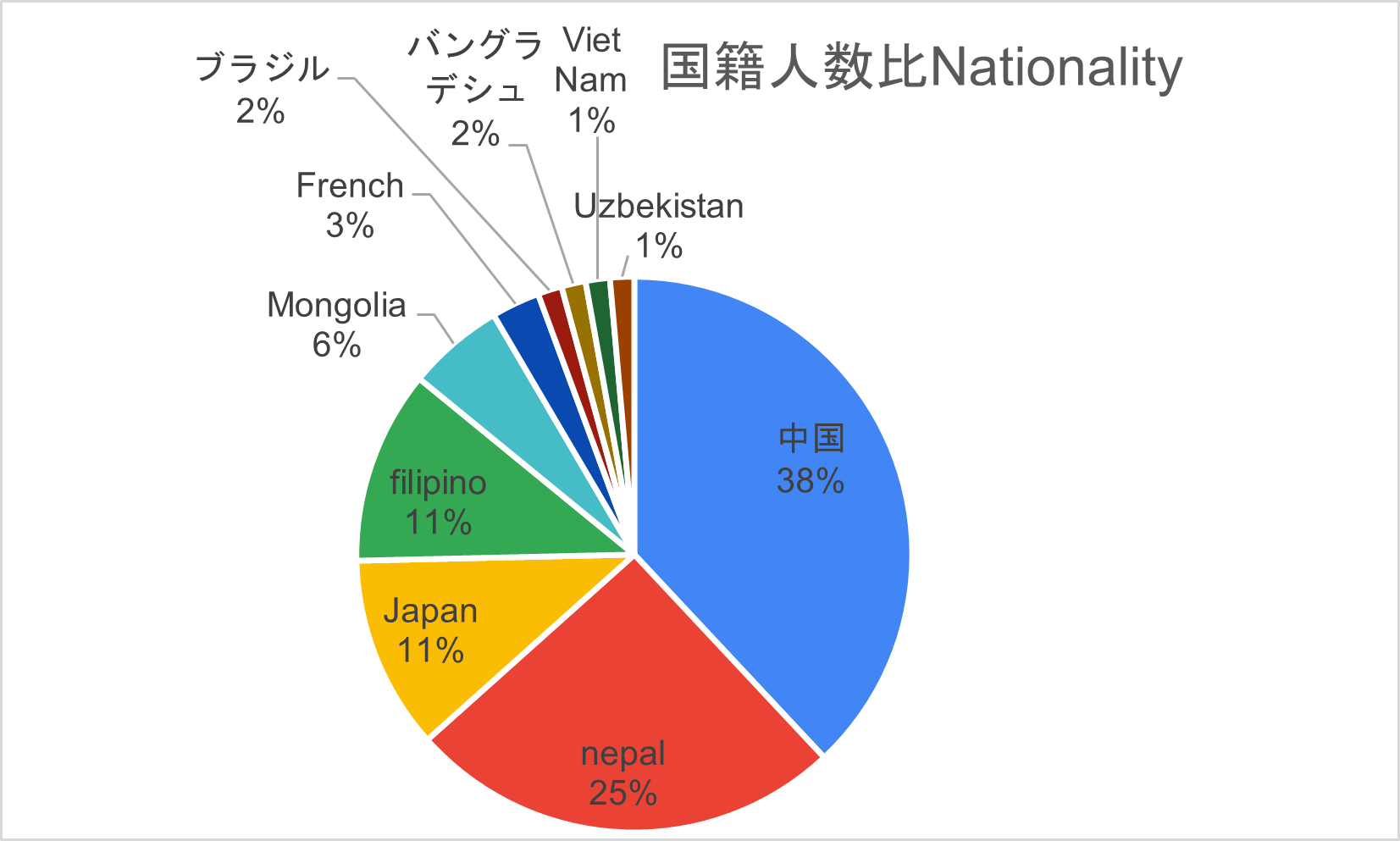
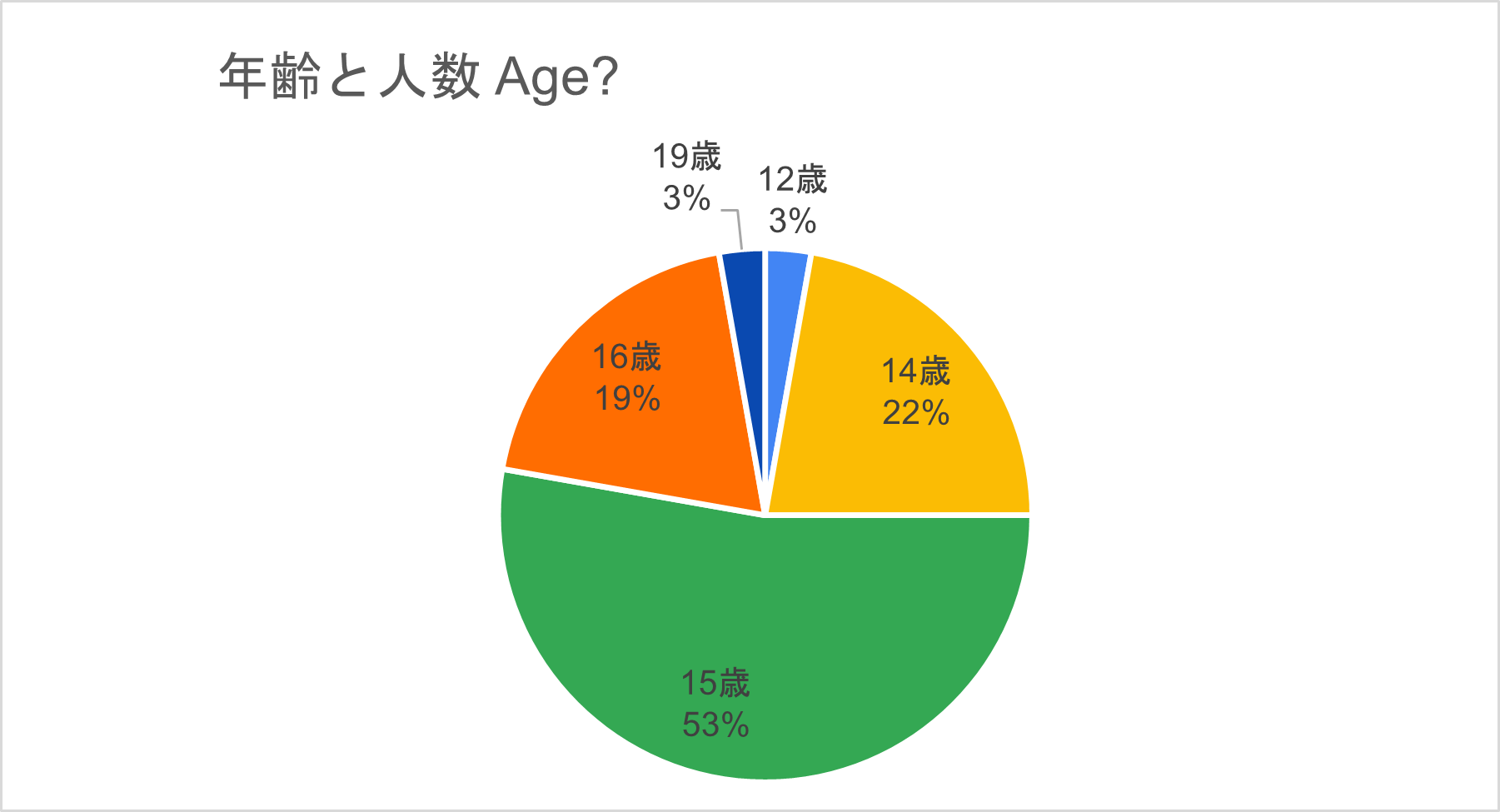
参加国はアジアの国が多いことがわかります。毎年アジアから多くの外国人就労者を受け入れていることから、家族滞在資格で日本の学校で学習する子どもたちが増えていることからです。年齢も、日本人の中学3年生と同じ15歳が集まっていますが中国の場合など、6月中学卒業となるので、日本の入試とずれるため16歳もいます。
It is clear that most participating countries are in Asia. This is because Japan accepts many foreign workers from Asia each year, leading to an increase in children studying at Japanese schools under family stay status. The age group is primarily 15-year-olds, equivalent to Japanese third-year junior high students. However, in countries like China where junior high graduation occurs in June, some 16-year-olds are also present due to the timing difference with Japanese entrance exams.
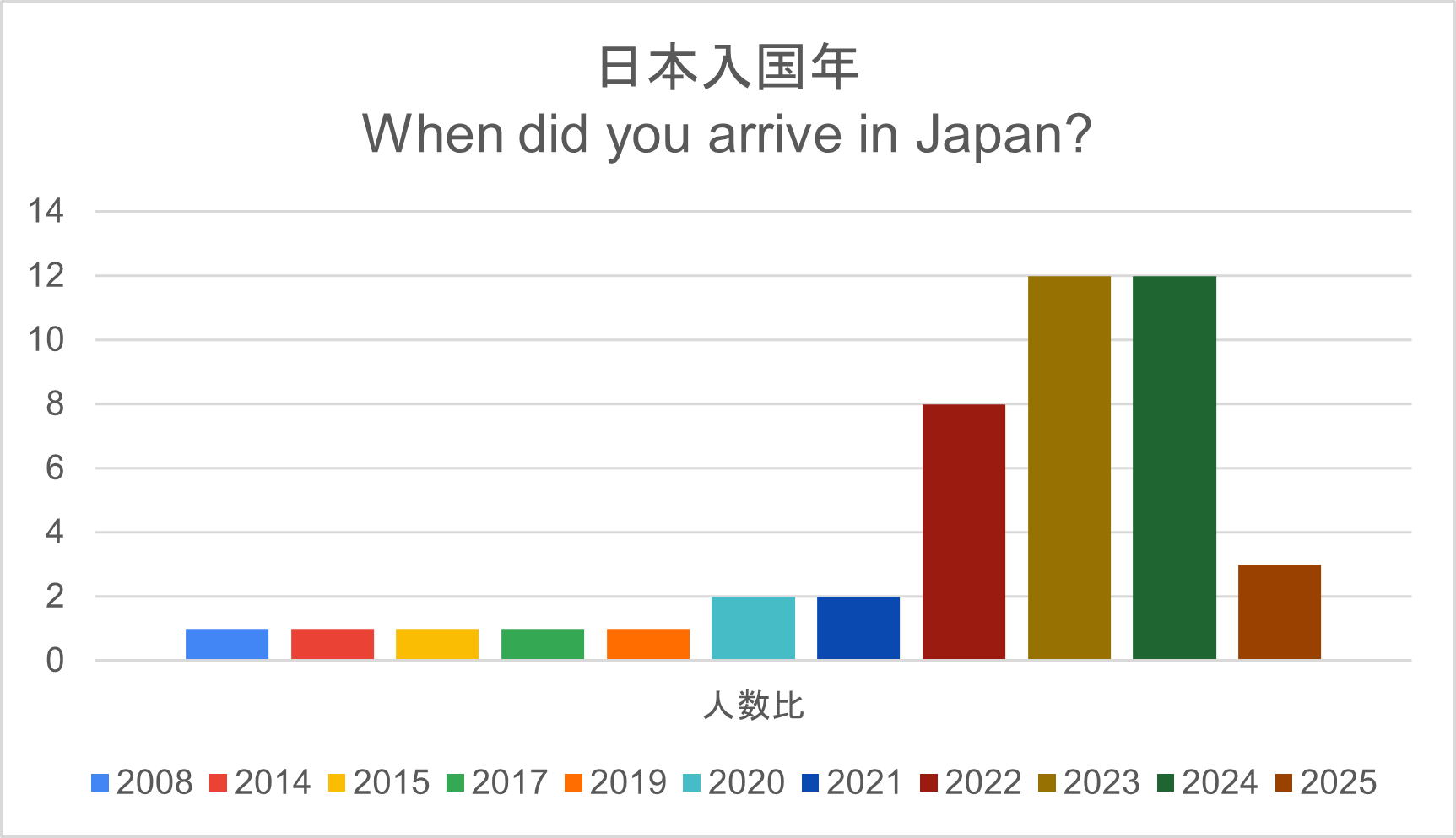
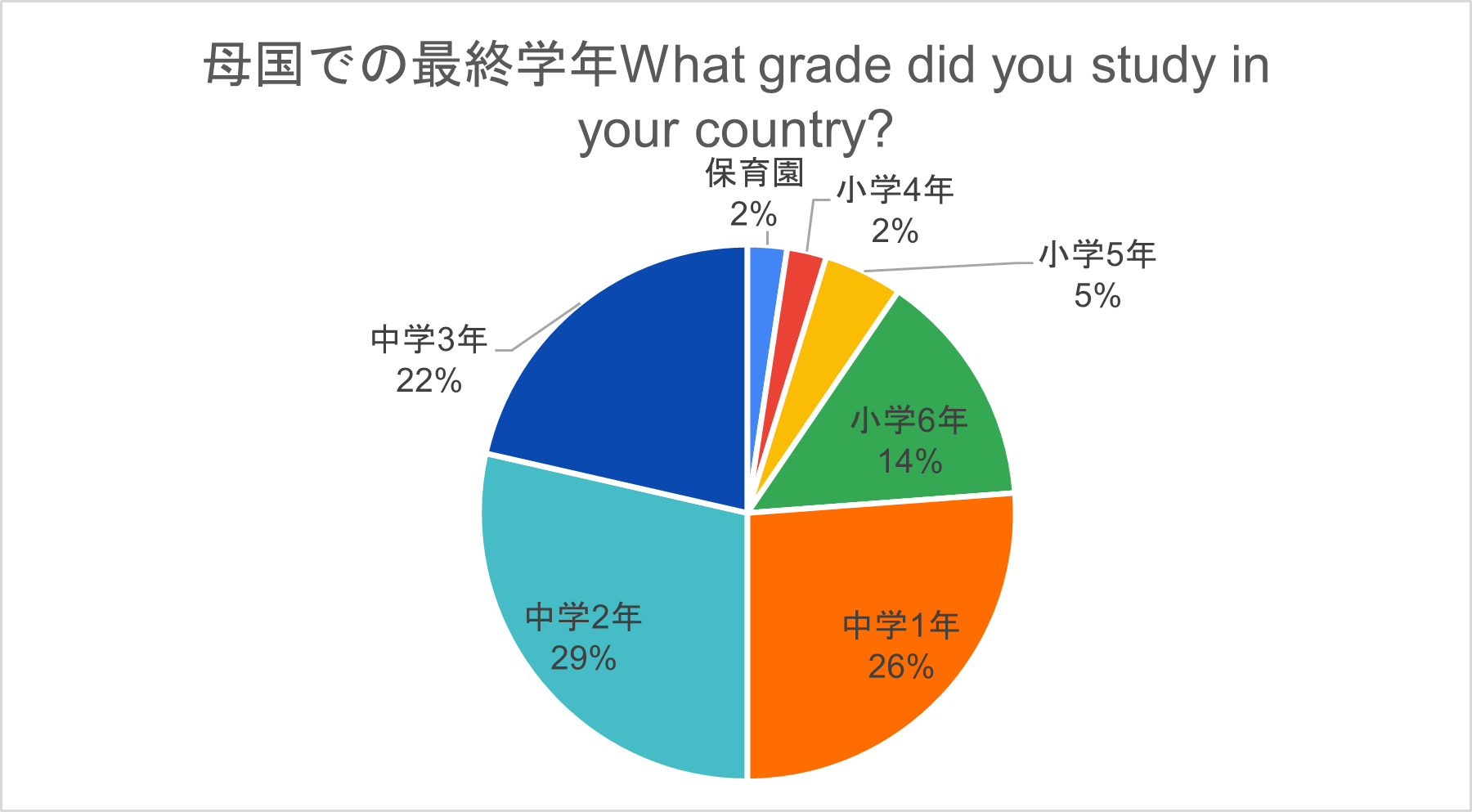
在京特別枠受検の、面接と作文だけの試験を受験しようとすると、3年と3か月までは3年とみなされ、受検することができます。そのため、今回のガイダンスに集まったこどもたちは、24年、23年入国の子が多くなります。母国では中学2年、中学1年まで勉強してからくる子が多いのは、日本の受検の準備のため、日本の中学校に入り、日本語を少しでも勉強し、日本の学習環境に慣れるためでもあると考えられます。
For the Tokyo Special Admission Track, which consists only of an interview and essay exam, children up to 3 years and 3 months old are considered 3 years old and can take the exam. Therefore, most children attending this guidance session entered Japan in 2024 or 2023. Many children study up to the second or first year of junior high school in their home country before coming to Japan. This is likely to prepare for the Japanese entrance exams, to enter a Japanese junior high school, to study Japanese to some extent, and to become accustomed to the Japanese learning environment.
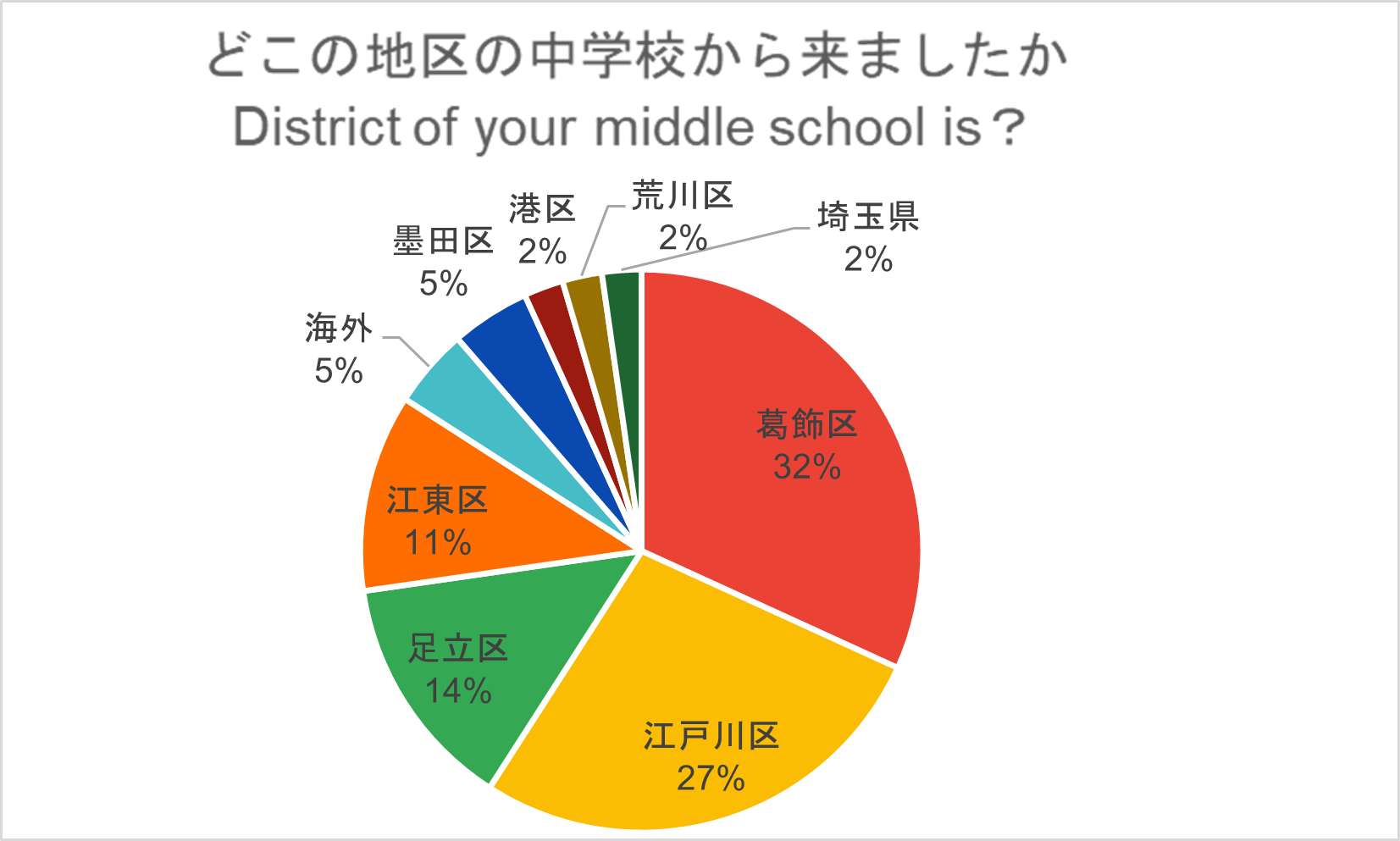
どこの地区の学校から来ましたかの質問には、葛飾区、江戸川区、足立区、江東区、墨田区の子どもたちが多いのは、東京の東部地区に多くの外国人が生活していることと、私たちのガイダンス広報のチラシを、これらの区の教育員会を通じて、学校に送っているからです。
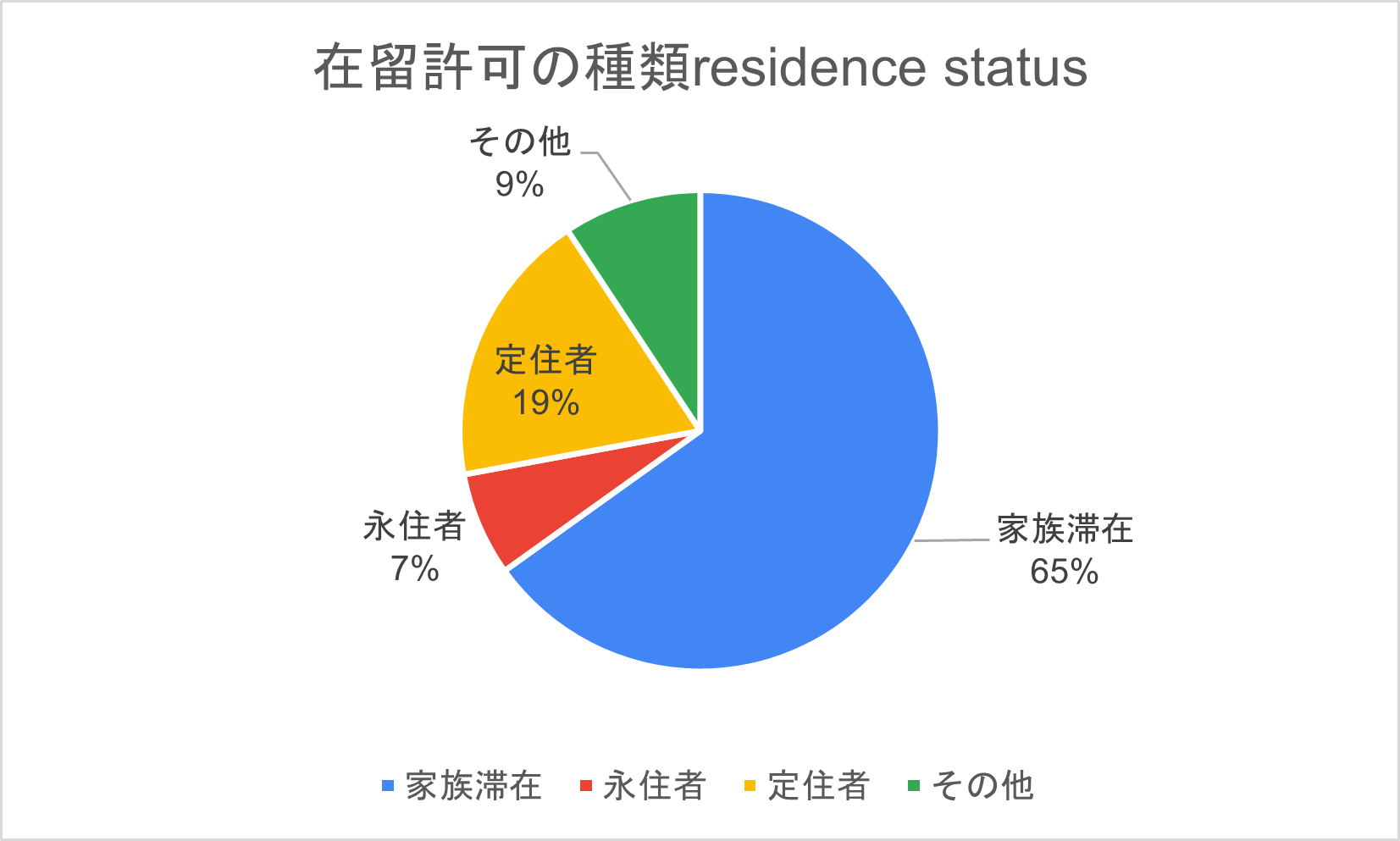
在留許可の種類では、日本で就労している外国人の子供としての家族滞在が多いです。永住者、定住者の扶養を受けて生活する、未成年で実子の場合は定住者になります。また、日本に帰化した親と一緒に帰化申請をすれば、未成年であっても日本国籍を有します。
When asked which district’s schools the children come from, many are from Katsushika, Edogawa, Adachi, Koto, and Sumida wards. This is because many foreigners live in Tokyo’s eastern districts, and we distribute our guidance and publicity flyers to schools through the boards of education in these wards.
Regarding residence status, most children are here under family stay permits as dependents of foreign nationals working in Japan. Minors who are biological children living under the support of permanent residents or long-term residents qualify for long-term resident status. Additionally, minors who apply for naturalization alongside their naturalized Japanese parent will acquire Japanese nationality.
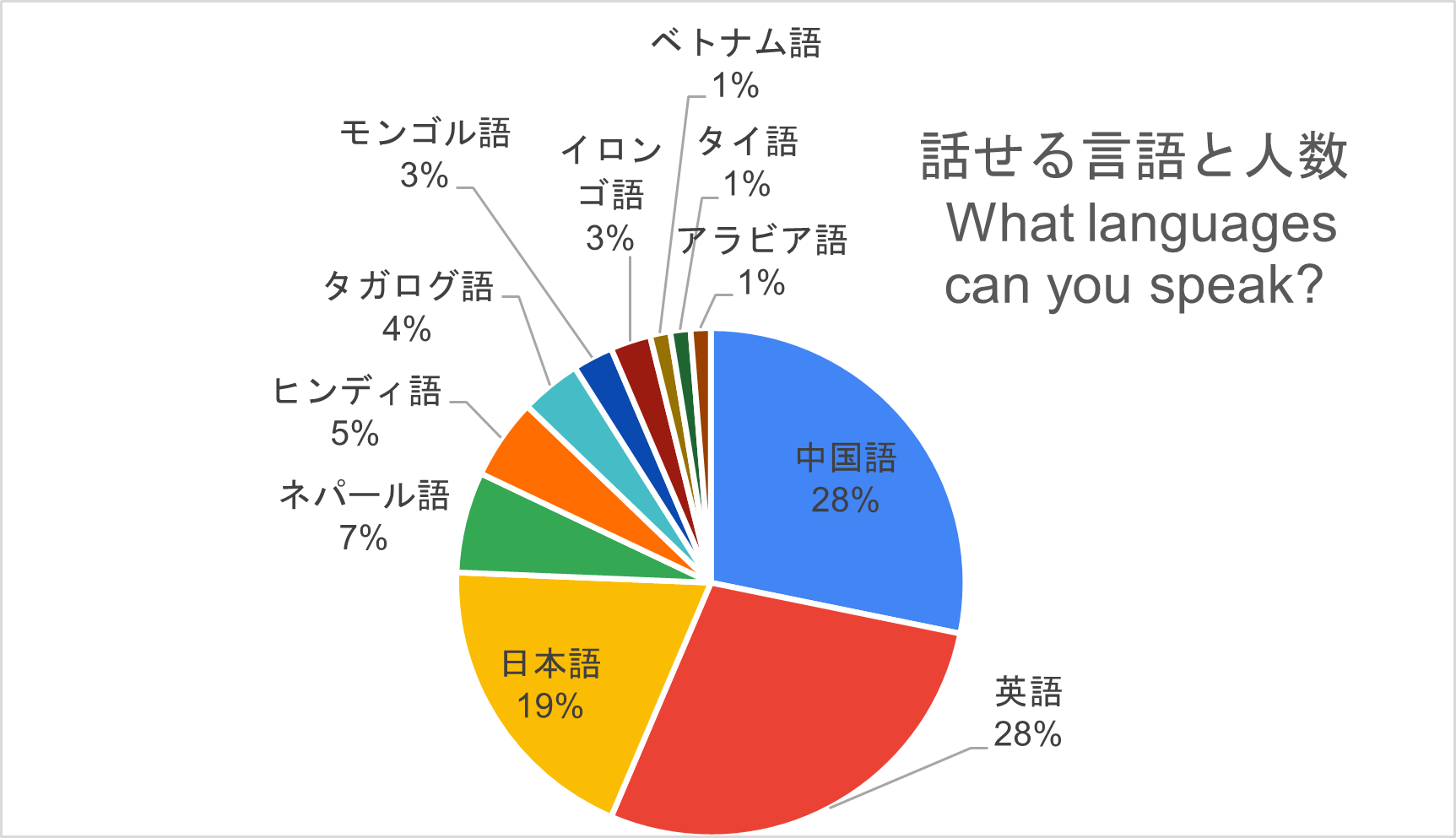
話せる言語は、とても多いです。一人で3言語とか話せますので、マルチリンガルなこどもたちです。将来、日本の教育を受けて、活躍してもらえる人材なのです。外国人特別枠入試は、日本語を母語としない子どもたちが受検できる仕組みですが、上に書いたように、帰化して日本人になった子も受けることができます。国籍は問いません。
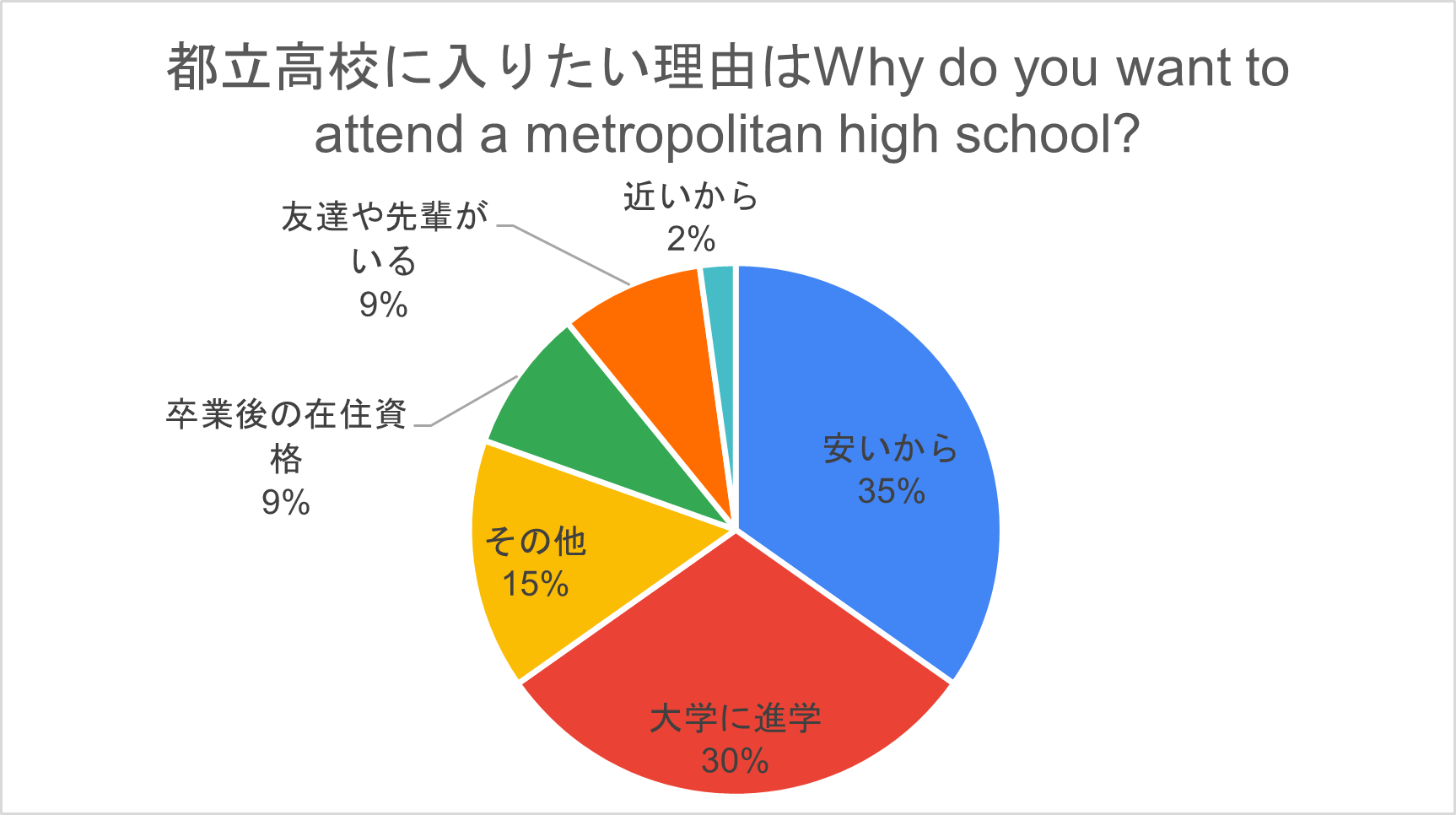
都立高校に入りたい理由を聞いてみると、やはり、安いからという答えが多いです。都立高校を卒業して、大学に進学したいという理由が2番目で、日本で、知識、学歴をつけて、将来マルチリンガルな人材として活躍してくれる可能性は高いです。
They speak a wide variety of languages. Some can speak three languages or more, making them multilingual. They are future talents who will receive Japanese education and go on to excel. The Special Admission System for Foreigners is a system allowing children whose native language is not Japanese to take the entrance exam. However, as mentioned above, children who have naturalized as Japanese citizens can also take it. Nationality is not a factor.
When asked why they want to attend a metropolitan high school, the most common answer is indeed that it’s affordable. The second most common reason is wanting to graduate from a metropolitan high school and then go on to university. There is a high potential that they will gain knowledge and academic credentials in Japan and go on to become multilingual talents who contribute to society in the future.
外国人特別枠を100%受けるわけではありません。3年の規定にひかっかる子もいますので、日本人のこと、同じ一般入試を直接受ける子もいるわけです。そのため、日本語の学習努力は、一生懸命行っています。今回の卒業生のインタビューを聞いても、日本語のハンデを埋めるための努力は、並外れています。特別枠で受けたい希望の学校をきいてみました。これは、ばらつきました。それぞれの子どもたちが、自分にとって一番良いところを、真剣に考えていることがうなづけます。
Not all students receive the 100% foreigner special admission quota. Some children fall under the three-year rule, meaning they are Japanese students who directly take the same general entrance exams. Therefore, they are making tremendous efforts to learn Japanese. Listening to interviews with this year’s graduates, their efforts to overcome the Japanese language disadvantage are extraordinary. When asked about their desired schools under the special admission system, the answers varied widely. This clearly shows each child is seriously considering what is best for them personally.
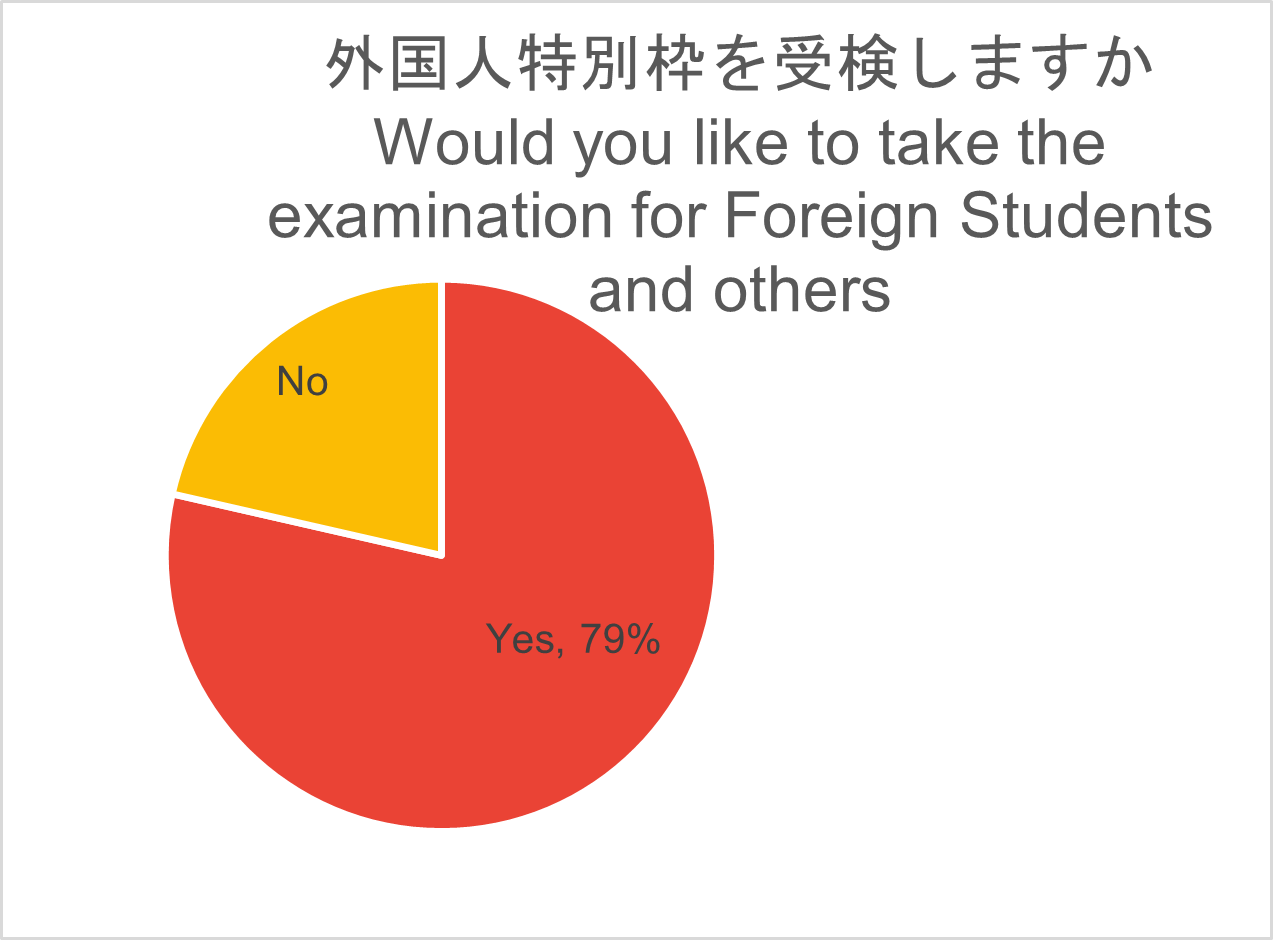
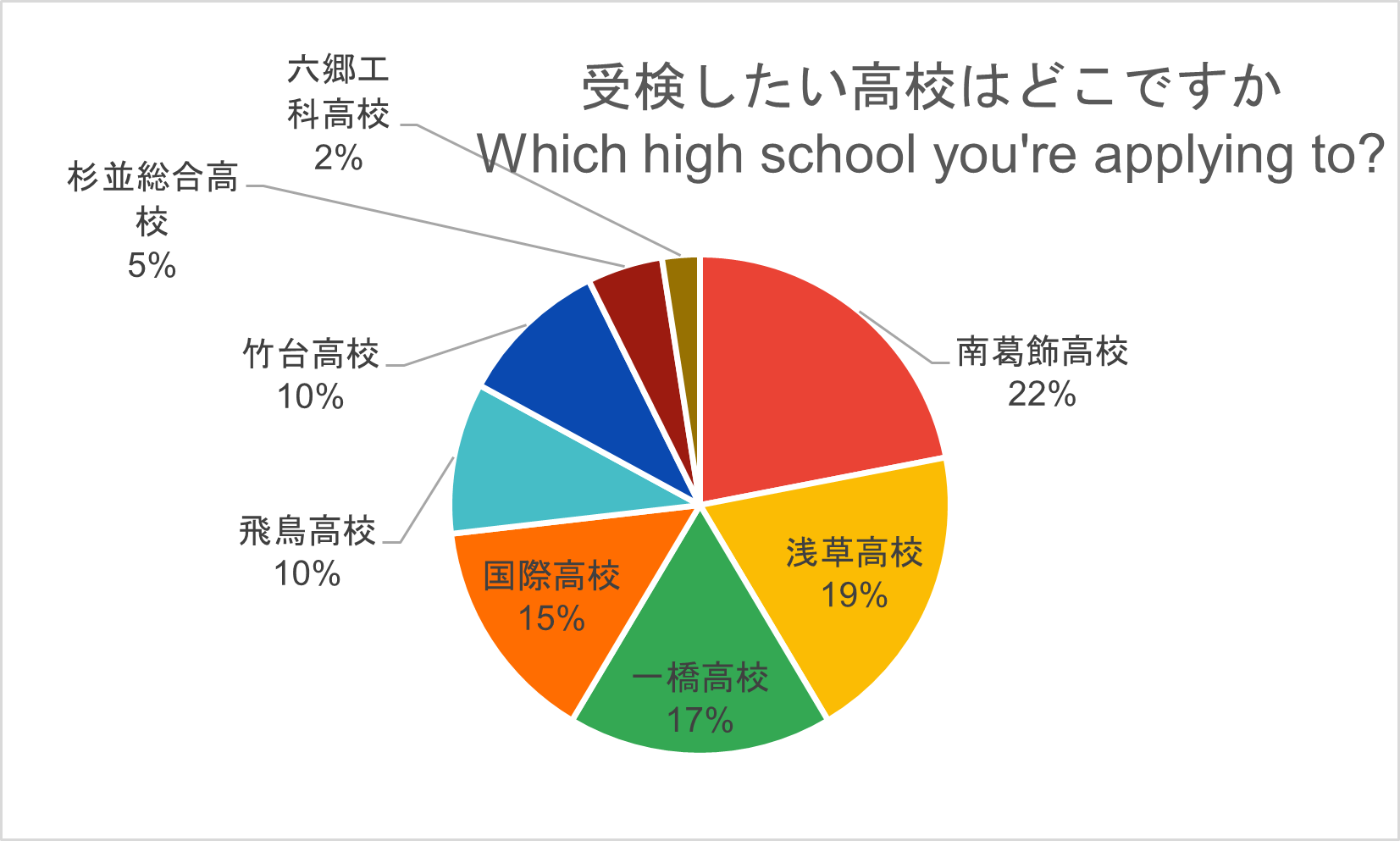
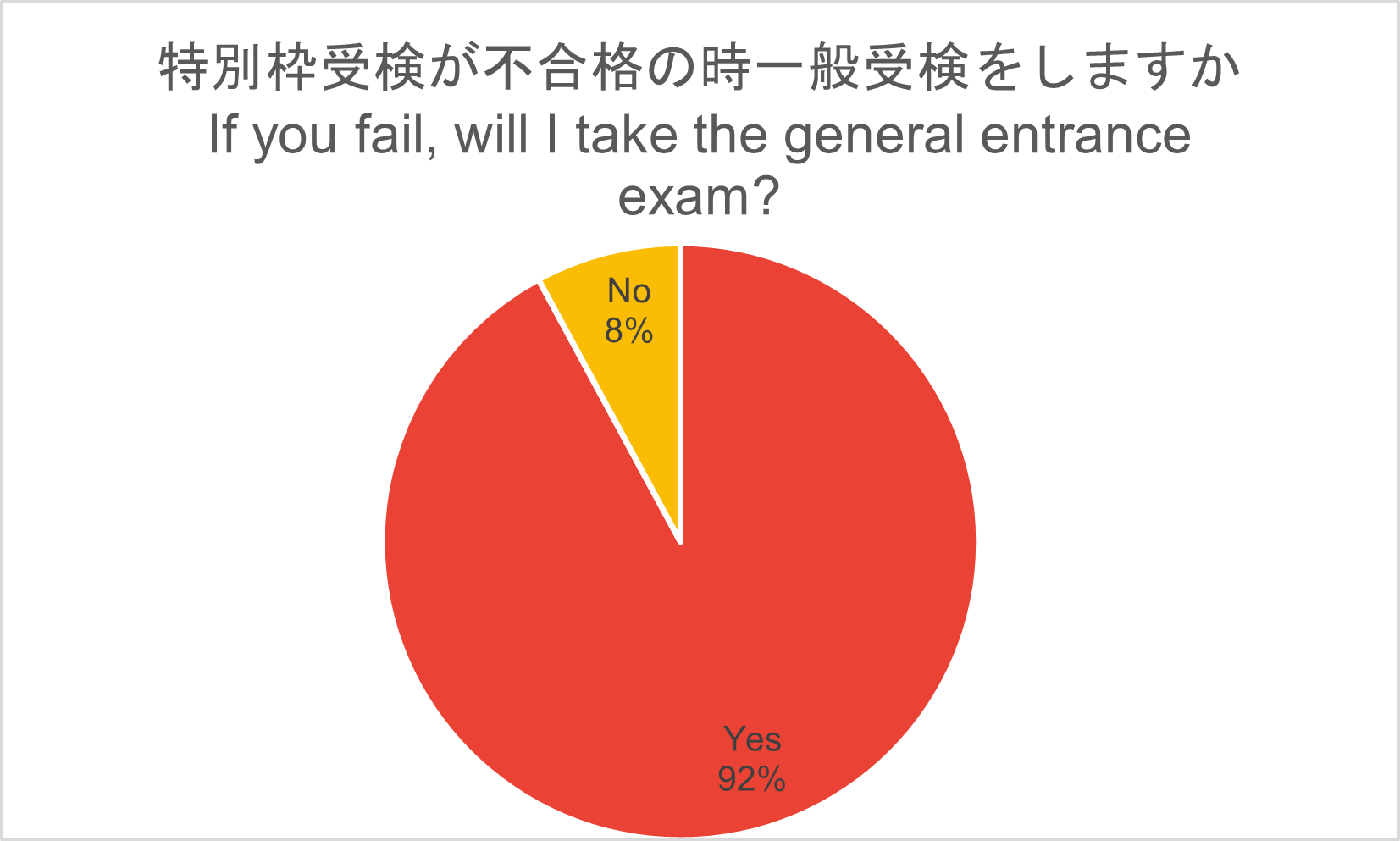
ガイダンスでも、話しましたが、もし、特別枠入試に失敗しても、決してあきらめずに、一般受検を受けてほしいと話しました。昨年の入試の倍率をみても、最後には、倍率が1倍以下の高校が残っています。しかも、都立高校の施設のレベルは、どこも、同じ水準ですし、指導してくれる先生たちのレベルも平等ですから、希望を捨てる必要はありません。
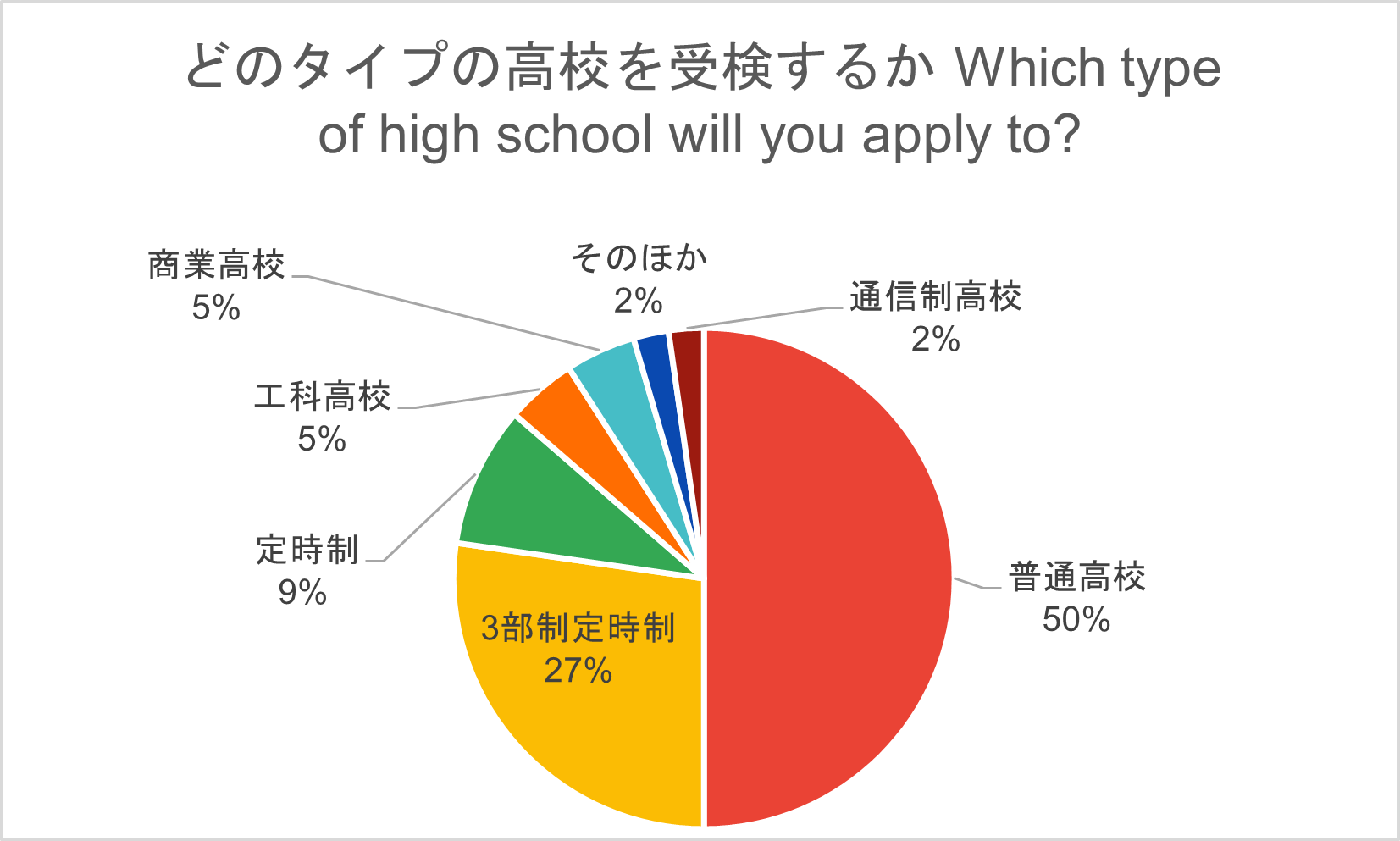
学校のタイプについては、注意が必要です。普通科の学年制の場合は、学年を上がるときに、進級判定がありますが、単位制の場合は必修科目をクリアし、自分の選んだ好きな科目で単位をとれば、取れただけの単位が積み上げられ、最後は卒業できることになります。そのため、普通科、学年制の希望が多いですが、二番目に3部制定時制が入っています。
As I mentioned during the guidance session, even if you don’t get into the special admissions track, please don’t give up and take the general entrance exam. Looking at last year’s admission rates, some high schools ended up with rates below 1:1. Moreover, the facilities at all Tokyo Metropolitan high schools are of the same standard, and the quality of the teachers guiding you is equal across the board. There’s no need to abandon your hopes.
Regarding school types, caution is needed. In the standard grade-based system for general studies, students undergo promotion evaluations when advancing grades. In contrast, the unit-based system allows students to accumulate credits by completing required courses and earning credits in their chosen elective subjects. As long as they earn enough credits, they can graduate. Consequently, while the standard grade-based general studies program is highly sought after, the three-part part-time system ranks as the second most popular choice.
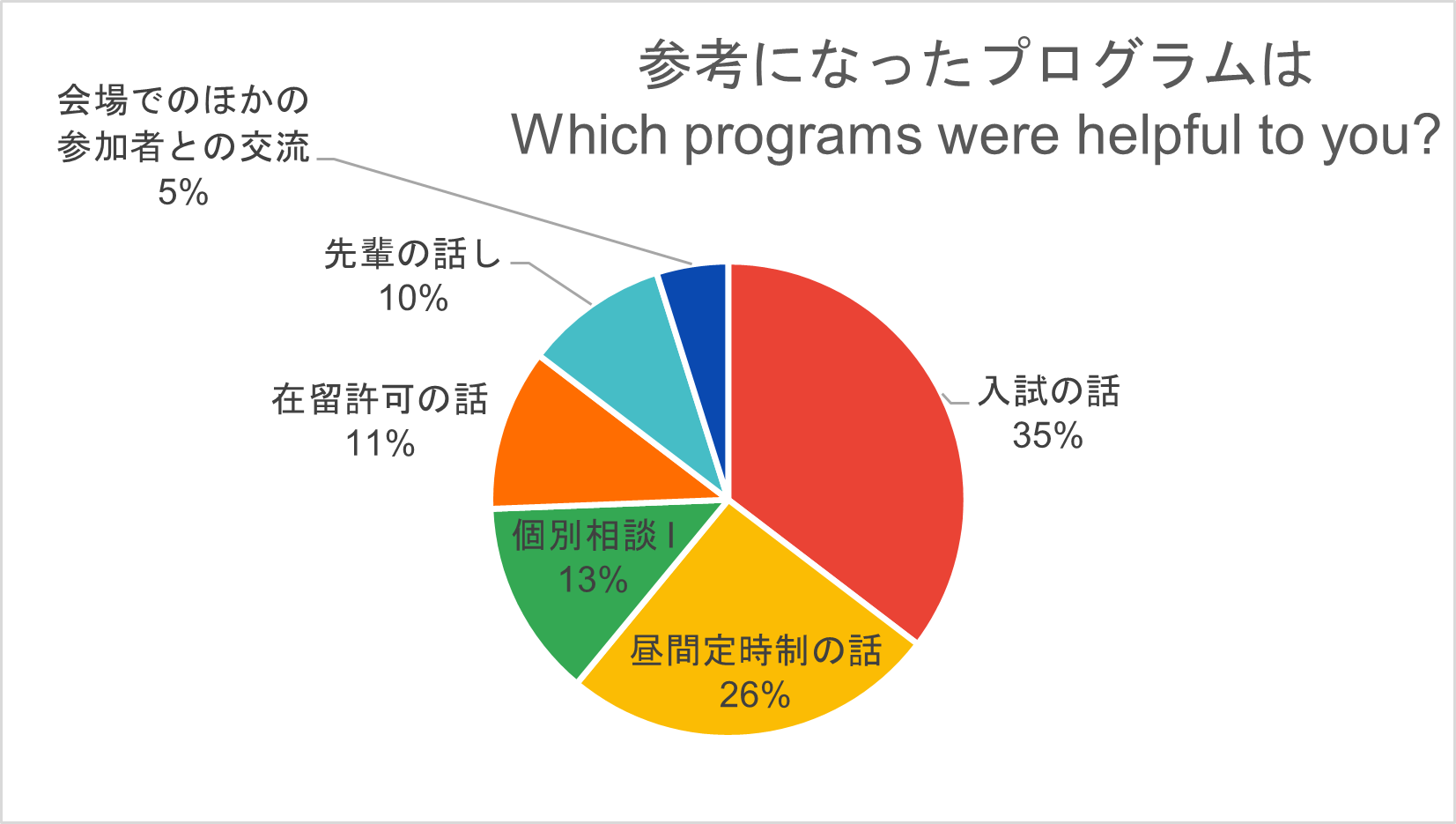
さいごに、今回参考になったプログラムを書いてもらいました。全体の入試の話しの次に、昼夜間定時制の話しが多いです。自分で、単位制で、学習を自由に選択できることと、自由な校風が選ばれた理由ではないかと思いました。
Finally, I asked them to write down the programs that were helpful this time. After discussing the overall entrance exams, there was a lot of talk about the daytime and evening/night courses. I think the reasons they chose it were the unit system allowing free choice of studies and the liberal school atmosphere.
その他全体を通じての感想をいただきました。
| ありがとうございました |
| とても分かりやすいし、おもしろかったですowo |
| It was a pleasant experience. |
| ありがとうございます |
| この説明会が本当に納得致しました。ありがとうございます😊 |
| ありがとう |
| 沢山を教えて頂きあり難う御座いました。 |
| Thank you so much for organizing this kind of session for foreign student living in tokyo. |
| 先輩の話しはわかりました。 |
| 面白かった |
| わからなかったことを聞くことができました |
ガイダンス開催までに運営に協力してくれた組織、団体にお礼申し上げます。
墨田区教育員会、江東区教育委員会、江戸川区教育委員会、葛飾区教育委員会、足立区教育委員会、教育庁都立学校教育部高等学校教育課入学選抜担当、東京都生活文化局、江戸川区ともに生きるまち推進課、江戸川区多文化共生センター
その他、学校情報を集めるため、多くの都立高校、区立中学、夜間中学に学校訪問しました。情報提供ありがとうございました。
今回の事業にかんしては以下の東京都生活文化局からの助成を受けています。
「令和7年度 東京都在住外国人支援事業助成」対象事業
/ Supported by The Tokyo Metropolitan Government in fiscal year 2025
ファイルのダウンロード